

2024
Book
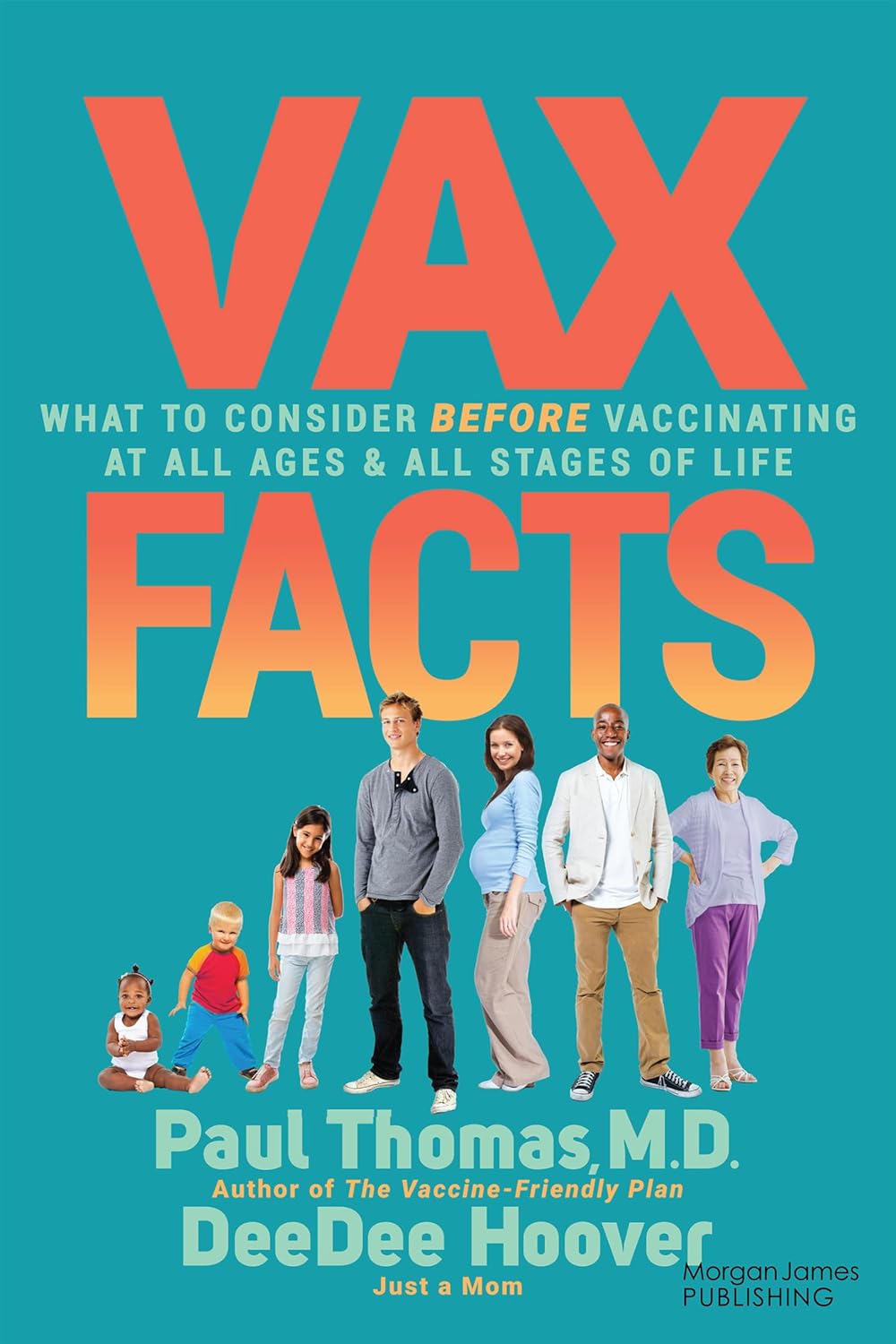
Vax Facts
What to Consider Before Vaccinating at All Ages & Stages of Life
PublisherMorgan James Publishing
Pub Year2024
Page Count312
ISBN9781636984988
Amazon
Description
Overview and Purpose of Vax Facts
Vax Facts: What to Consider Before Vaccinating at All Ages & Stages of Life is a 2024 publication authored by Dr. Paul Thomas, MD, DeeDee Hoover, and Del Bigtree. The book aims to provide parents and healthcare providers with comprehensive, balanced information about vaccines, focusing on risks, benefits, alternatives, and the critical principle of informed consent. It challenges mainstream vaccine narratives by presenting clinical data, historical context, and scientific critiques that question vaccine safety, efficacy, and policy. The authors advocate for parental rights, bodily autonomy, and open scientific inquiry, emphasizing the importance of individualized decision-making free from coercion or fear.
The intended audience includes parents grappling with vaccine decisions, especially those uncertain about timing, choice, or whether to vaccinate at all. It also serves healthcare providers who support informed consent and alternative vaccine schedules. The book is positioned as a resource to empower readers with knowledge to navigate complex vaccine-related choices responsibly.
PART ONE: Understanding Vaccine History, Immunity, Informed Consent, and Vaccine Safety
This section lays the foundation by exploring vaccine history, the nature of immunity, ethical considerations surrounding informed consent, and detailed critiques of vaccine safety and testing.
Informed Consent and Vaccine Safety (Chapters 1–2)
Chapter 1 emphasizes that informed consent is a cornerstone of medical ethics, requiring patients to be fully informed about risks, benefits, and alternatives, including the right to refuse vaccination. The authors argue that vaccine mandates violate bodily autonomy and informed consent principles. They critique the CDC’s Vaccine Information Sheets as marketing tools that downplay risks and overstate safety. The lack of proper placebo-controlled vaccine safety studies and comparative health outcome research between vaccinated and unvaccinated children is highlighted.
Dr. Paul Thomas shares his clinical experience, including a retrospective study of 15,000 patients showing unvaccinated children were healthier with fewer chronic illnesses and autism cases than vaccinated peers. His findings led to professional repercussions, including suspension of his medical license, underscoring the contentious nature of vaccine discourse.
Chapter 2 outlines the authors’ holistic philosophy of child health, emphasizing nurturing physical, emotional, mental, and spiritual domains. Adequate nutrition, especially breastfeeding from a well-nourished mother, is foundational. The chapter underscores parental responsibilities of love, nurture, and protection.
The Vaccine-Friendly Plan and COVID Lessons (Chapters 3–4)
Chapter 3 revisits Dr. Thomas’s Vaccine-Friendly Plan (VFP), an alternative vaccine schedule designed to reduce neurotoxic aluminum exposure. The chapter reviews historical declines in infectious disease mortality, attributing them primarily to sanitation, nutrition, and public health improvements rather than vaccines. It documents rising chronic diseases in U.S. children since the 1990s, including asthma, allergies, autism, ADHD, diabetes, and obesity.
The chapter critiques vaccine safety science, noting that many vaccines have not been tested for combined effects or long-term outcomes. It presents data from Dr. Thomas’s practice and other studies showing vaccinated children have higher rates of chronic illnesses and infections. The ethical framework of medical autonomy is invoked, highlighting violations during COVID vaccine mandates.
Chapter 4 analyzes the COVID-19 pandemic response, exposing failures of public health authorities and conflicts of interest. It critiques lockdowns, masking, and coercive vaccination policies, especially the use of experimental mRNA vaccines lacking long-term safety data. The chapter discusses suppression of early treatment options and manipulation of data on vaccine efficacy and adverse events. It presents evidence of significant vaccine-related harms, including myocarditis, autoimmune diseases, and deaths, particularly in children and young adults. The authors advocate for compassion, open dialogue, and informed choice rather than fear-driven mandates.
Natural Immunity and Health Foundations (Chapters 5–6)
Chapter 5 explains that natural immunity, involving both cellular and humoral responses including mucosal defenses, is superior to vaccine-induced immunity, which is partial and temporary. Childhood infections such as measles and chickenpox are described as rites of passage that confer lifelong protection and reduce risks of allergies, autoimmune diseases, and some cancers. The chapter warns of vaccine ingredients’ potential toxicity and the risks of chronic inflammation and neurodevelopmental disorders.
Chapter 6 focuses on holistic health, emphasizing cellular energy production, nutrition, toxin avoidance, and detoxification strategies. It highlights the importance of vitamins (D3, K2, B-complex), minerals, antioxidants, and supplements like NAC to support immune function and detoxify harmful substances such as aluminum and mercury. Emotional health, stress reduction, restorative sleep, and spiritual well-being are underscored as integral to overall health. The chapter cautions about widespread environmental toxins and encourages personal responsibility and skepticism toward conflicted authorities.
Vaccine History and Safety Testing (Chapters 7–9)
Chapter 7 reviews vaccine history, noting that declines in infectious disease mortality preceded vaccine introduction due to sanitation and public health advances. It challenges the assumption that vaccines were the primary cause of disease reduction. The chapter references historical diseases like typhoid, dysentery, cholera, and scarlet fever, emphasizing environmental improvements as key factors. It also notes legal recognition that vaccines are “unavoidably unsafe” and mentions substantial vaccine injury compensation payouts.
Chapter 8 critiques the CDC childhood vaccine schedule and safety testing. It highlights the dramatic increase in vaccine doses over recent decades and concerns about combined vaccines’ unknown synergistic effects. The chapter details the lack of true placebo-controlled trials, short safety monitoring periods, and the use of active comparators that mask adverse effects. Post-licensure safety monitoring via VAERS is described as severely limited by underreporting. The chapter stresses parents’ rights to informed consent and shares personal accounts of vaccine injuries.
Chapter 9 focuses on aluminum adjuvants in vaccines, explaining their role in provoking immune responses through local toxicity. It details how injected aluminum is absorbed and distributed in the body, including the brain, where it can cause neurotoxicity and immune dysfunction. The chapter presents evidence that infants receive aluminum doses exceeding FDA safety limits, potentially contributing to chronic inflammation, autoimmune diseases, and neurodevelopmental disorders. The authors strongly caution against aluminum exposure via injection.
PART TWO: The Vaccines, SIDS, and Informed Consent
This section examines specific vaccines across life stages, sudden infant death syndrome (SIDS), and practical guidance for parental advocacy.
Pregnancy and Newborn Vaccines (Chapters 10–11)
Chapter 10 discusses vaccines recommended during pregnancy, including Tdap, influenza, COVID-19 mRNA vaccines, and the new RSV vaccine. It highlights risks of immune activation during pregnancy linked to miscarriage, neurodevelopmental disorders, and chronic inflammation. Aluminum adjuvants and other vaccine ingredients are implicated in neurotoxicity and immune dysregulation. The chapter critiques vaccine effectiveness, safety data gaps, and potential harms such as miscarriage, myocarditis, and fertility issues. It advocates for avoiding vaccines during pregnancy, emphasizing nutrition, toxin avoidance, breastfeeding, and maternal intuition.
Chapter 11 addresses newborn shots: hepatitis B vaccine, vitamin K injection, and RSV monoclonal antibody (Beyfortus). It questions the necessity and safety of the hepatitis B vaccine at birth, noting low disease prevalence and potential links to autism and autoimmune diseases. Vitamin K injection risks are contrasted with safer oral alternatives. The RSV monoclonal antibody is described as a new intervention with limited safety data and minimal absolute risk reduction. The chapter recommends maximizing skin-to-skin contact, breastfeeding, and parental vigilance in hospital settings to avoid unwanted injections.
Parental Advocacy and SIDS (Chapters 12–13)
Chapter 12 encourages parents to prepare for pediatric visits by bringing support, being well-informed, and assertively advocating for their child’s health decisions. It warns of medical personnel’s tendency to pressure vaccination without thorough discussion and stresses the importance of confident refusal when desired.
Chapter 13 presents the authors’ position that vaccines are a primary cause of SIDS, citing analyses of VAERS data showing clustering of infant deaths shortly after vaccination. It explains a proposed mechanism involving vaccine-induced neuroinflammation in brainstem respiratory centers. The chapter notes the increase in recommended vaccine doses over recent decades and the high infant mortality rate in the U.S. compared to other industrialized nations. It calls for parental choice, caution with infant vaccines, and awareness of potential vaccine-related sudden death syndromes.
Infant and Preschool Vaccines (Chapters 14–15)
Chapter 14 reviews infant vaccines including hepatitis B, DTaP, polio, pneumococcal, Hib, rotavirus, influenza, and COVID-19 vaccines. It critiques the low disease risk for many targeted infections, waning vaccine immunity, and documented vaccine risks such as serious adverse events, autoimmune diseases, and neurodevelopmental disorders. The chapter highlights concerns about vaccine ingredients like aluminum and thimerosal, the high number of vaccines administered simultaneously, and the lack of true safety data. It advises individualized risk-benefit analysis and parental rights to informed consent.
Chapter 15 covers preschool vaccines such as MMR, varicella, and hepatitis A. It discusses the low prevalence of these diseases, vaccine effectiveness and waning immunity, and risks including seizures, autoimmune disorders, and potential links to autism. The chapter critiques vaccine ingredients and manufacturing processes, including use of fetal cell lines and animal-derived components. It recommends delaying certain vaccines unless outbreaks occur and emphasizes natural immunity benefits.
Adolescent and Adult Vaccines (Chapters 16–17)
Chapter 16 addresses adolescent vaccines, focusing on HPV and meningococcal vaccines. It highlights the low incidence of HPV-related cancers and meningococcal disease, questions vaccine effectiveness, and details reported adverse events including autoimmune disorders and deaths. The chapter critiques vaccine safety trials for flawed placebo controls and calls for cautious, individualized decisions. It notes legal exemptions and encourages parental awareness of rights.
Chapter 17 discusses adult vaccines such as influenza, tetanus, pneumococcal, COVID-19, RSV, and shingles vaccines. It critiques industry tactics that exaggerate benefits and minimize risks, including use of relative risk reduction, inappropriate endpoints, short monitoring periods, and active placebos. The chapter questions the necessity and safety of adult vaccines given low disease prevalence and potential adverse effects. Personal anecdotes illustrate vaccine-related health declines. The authors emphasize natural immunity and caution in adult vaccination decisions.
PART THREE: The Vaxed vs. Unvaxed Studies, Reducing Harm, Communication, and Conclusion
This final section synthesizes evidence comparing vaccinated and unvaccinated health outcomes, offers harm reduction strategies, addresses communication challenges, and concludes with reflections and recommendations.
Comparative Studies and Vaccine Risks (Chapter 18)
Chapter 18 reviews landmark studies comparing vaccinated and unvaccinated populations, revealing higher rates of chronic illnesses, autoimmune diseases, neurodevelopmental disorders, and mortality among vaccinated children in multiple datasets. It discusses whistleblower revelations, retracted studies, and international research highlighting potential vaccine harms. The chapter critiques regulatory and industry practices that shield manufacturers from liability and suppress unfavorable data. It calls for restoring legal accountability and conducting comprehensive, unbiased safety research.
Harm Reduction Strategies (Chapter 19)
Chapter 19 provides practical guidance for parents choosing to vaccinate, emphasizing the importance of vaccinating only healthy children and preparing them physically, mentally, and emotionally. It recommends nutritional support, adequate sleep, stress reduction, and avoidance of inflammatory foods. Cold compresses post-vaccination may reduce inflammation. Supplements such as nanocurcumin, quercetin, NAC, and vitamins are suggested to mitigate toxicity, especially aluminum exposure. The chapter cautions against acetaminophen and ibuprofen use around vaccination due to effects on detoxification and gut health. Personal narratives illustrate the complexity of vaccine-related health challenges.
Family History and Individual Considerations (Chapter 20)
Chapter 20 stresses the importance of individualized vaccine decisions based on family history of vaccine reactions, autoimmune diseases, allergies, and developmental disorders. It discusses genetic and epigenetic factors influencing vaccine vulnerability, including common polymorphisms affecting detoxification pathways. The chapter warns against vaccinating during illness and highlights warning signs of adverse reactions. It encourages parents to advocate for their children’s unique health needs and to consider delaying or avoiding vaccines when risk factors are present.
Communication and Advocacy (Chapter 21)
Chapter 21 addresses the challenges parents face in communicating vaccine decisions amid social pressure and medical coercion. It offers strategies for effective dialogue, emphasizing compassion, active listening, and avoiding confrontational approaches. The chapter advises preparation for discussions with schools, healthcare providers, and family members, including bringing expert information and support persons. It highlights the importance of knowing legal rights and seeking community resources for advocacy.
Conclusion and Author Reflections (Chapter 22)
The concluding chapter reflects on the authors’ personal and professional journeys toward vaccine skepticism and advocacy for informed choice. It critiques vaccine science and regulatory frameworks, highlighting conflicts of interest and gaps in safety data. The authors encourage parents to trust their intuition, seek education and support, and protect their children’s health through thoughtful, individualized decisions. Resources for coaching and community support are provided.
Appendices and Supplemental Information
The appendices provide detailed analyses of vaccine efficacy metrics, contrasting relative risk reduction (RRR) with absolute risk reduction (ARR) to clarify real-world benefits. They include comprehensive vaccine ingredient lists, current mortality risks from vaccine-preventable diseases, documented vaccine-related death risks, and extensive links to vaccine package inserts detailing adverse reactions and safety information. These resources support informed consent by enabling deeper investigation into vaccine components and risks.
Author Credentials and Perspectives
Dr. Paul Thomas is a pediatrician with over 35 years of clinical experience and founder of Integrative Pediatrics. He is known for publishing real-world data comparing vaccinated and unvaccinated children, which has been controversial and led to suspension of his medical license. DeeDee Hoover is a licensed massage therapist and family health coach with certifications in nutrition and lactation, cofounder of Kids First 4 Ever, and cohost of a pediatric health podcast. Del Bigtree is a health freedom advocate and media producer. Together, they bring clinical experience, parental perspective, and advocacy to the book’s content.
Strengths, Limitations, and Usefulness in Cancer-Options Context
Vax Facts offers a detailed, critical examination of vaccine safety, efficacy, and policy from a perspective emphasizing informed consent and parental rights. Its strengths include presentation of clinical data, historical context, and practical guidance for harm reduction and communication. The book’s holistic approach to health, including nutrition, detoxification, and emotional well-being, aligns with integrative care principles relevant to cancer and chronic disease management.
However, the book’s conclusions challenge mainstream medical consensus and include controversial interpretations of vaccine risks and benefits. Readers should consider the information as part of a broader evidence base and consult licensed healthcare professionals when making medical decisions. The book’s emphasis on transparency, individualized care, and critical evaluation of vaccine science may be valuable for patients and providers seeking nuanced understanding of vaccination in the context of immune health and chronic disease prevention.