2008
Book
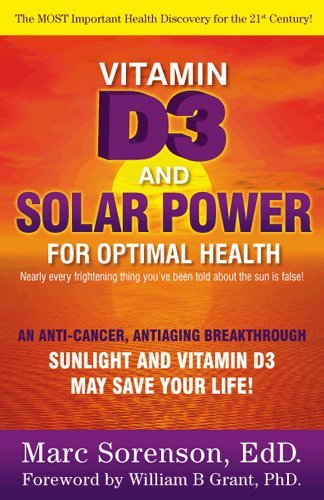
Vitamin D3 and Solar Power for Optimal Health
An Anti-Cancer, Antiaging Breakthrough
PublisherMarc Sorenson, EdD
Edition2nd
Pub Year2008
Page Count276
ISBN978-1424313877
Amazon
Description
Overview and Purpose
Vitamin D3 and Solar Power for Optimal Health by Marc Sorenson, EdD, is a comprehensive exploration of the critical role that sunlight and vitamin D play in human health, disease prevention, and longevity. Published in 2008, the book synthesizes extensive scientific research to challenge prevailing sun-avoidance attitudes and sunscreen practices, advocating instead for balanced, sensible sun exposure combined with appropriate vitamin D supplementation. The work is intended for both healthcare professionals and the general public seeking an evidence-based understanding of how solar ultraviolet (UV) radiation and vitamin D influence a broad spectrum of diseases, including many cancers, autoimmune disorders, cardiovascular conditions, mental health issues, and bone diseases.
Sunlight, Vitamin D, and Health: Foundations and Historical Context
The book opens by establishing the fundamental biological and historical basis for the health benefits of sunlight and vitamin D. Vitamin D is produced in the skin through UVB radiation exposure (280-320 nm wavelength), which converts precursors into vitamin D3, a prohormone stored in the liver and activated mainly in the kidneys and locally in various tissues. This active form, calcitriol, regulates numerous cellular processes essential for health.
Historically, diseases like rickets were linked to sunlight deficiency centuries ago, and the identification of vitamin D as a distinct fat-soluble vitamin in the early 20th century paved the way for understanding its role in bone health and beyond. Epidemiological studies, notably by the Garland brothers and others, have demonstrated inverse correlations between sunlight exposure or serum vitamin D levels and the incidence and mortality of major internal cancers such as breast, prostate, and colon cancers.
The author critiques modern sun avoidance and widespread sunscreen use, which can block up to 99.9% of vitamin D production, potentially increasing internal cancer risks despite reducing some skin cancers. Dark-skinned individuals produce vitamin D less efficiently but historically adapted to high UV environments; however, in northern latitudes, this leads to widespread deficiency and associated health disparities. Modern lifestyles with indoor work, clothing, and sunscreen use exacerbate vitamin D insufficiency even in sunny regions.
Vitamin D Deficiency, Supplementation, and Optimal Levels
Vitamin D deficiency is prevalent worldwide, especially among indoor workers, dark-skinned populations in northern latitudes, and those with limited dietary intake. Blood serum 25-hydroxyvitamin D [25(OH)D] levels below 20 ng/mL indicate deficiency, with optimal health benefits observed at levels above 40-50 ng/mL. The book emphasizes that current recommended intakes (600 IU/day) are inadequate for most adults, who may require 3,000-5,000 IU/day or more, particularly without sufficient UVB exposure.
Sunlight remains the most efficient source of vitamin D, with tanning beds as a practical alternative in winter or high latitudes. Supplementation with vitamin D3 is preferred over D2 due to better efficacy and safety. The book underscores the importance of individualized dosing, considering factors such as skin pigmentation, body fat, and lifestyle. Breastfed infants often require supplementation due to insufficient vitamin D in breast milk when maternal levels are low.
Seasonal and Geographic Influences on Vitamin D Synthesis
The Earth's axial tilt causes seasonal variation in UVB availability, with latitudes above approximately 42°N experiencing insufficient UVB for vitamin D synthesis during winter months. Factors such as time of day, altitude, cloud cover, pollution, and sunscreen use further influence UVB penetration. Midday sun provides the most effective UVB exposure for vitamin D production, while dawn and dusk sunlight lack sufficient UVB. Understanding these variables is crucial for optimizing sun exposure strategies.
Free Radicals, Antioxidants, and Skin Cancer Risk
The book discusses the role of free radicals—unstable atoms that damage cells and DNA—in skin aging and cancer development. Environmental factors like smoking and pollution increase free radical formation, while antioxidants from diet (fruits and vegetables) help neutralize these harmful molecules. Exercise-induced free radicals are beneficial if antioxidant defenses are adequate.
Dietary fats significantly influence skin cancer risk. Processed polyunsaturated fats (PUFAs), especially omega-6 fatty acids common in commercial vegetable oils, promote lipid peroxidation and skin cancer development, whereas omega-3 fats (from fish, flaxseed, walnuts) are protective. Low-fat diets reduce non-melanoma skin cancer incidence, and antioxidants mitigate UV-induced skin damage. The book stresses that sunlight is not the sole cause of skin cancer; diet and lifestyle factors are critical contributors.
Sunlight, Sunscreens, and Melanoma
Contrary to popular belief, regular moderate sunlight exposure reduces melanoma risk, while sunburn and intermittent intense UV exposure increase it. Melanomas often develop on less sun-exposed body areas, and indoor workers have higher melanoma rates. Sunscreens, while reducing UVB, may block vitamin D synthesis and allow UVA penetration, which can cause DNA damage and potentially increase melanoma risk. The book highlights concerns about sunscreen chemicals’ systemic absorption and hormonal effects, as well as the paradoxical increase in melanoma incidence despite sunscreen use.
Safe sunning guidelines include avoiding burning, gradually increasing exposure, favoring midday sun for vitamin D, and consuming antioxidant-rich diets. Lycopene from tomatoes is noted to enhance sunburn resistance.
Vitamin D and Cancer Prevention Mechanisms
Vitamin D exerts multiple anti-cancer effects by activating cellular receptors that regulate apoptosis (programmed cell death), differentiation, proliferation inhibition, angiogenesis suppression, and metastasis reduction. It acts as both a selective antioxidant and pro-oxidant, protecting normal cells while aiding in cancer cell destruction.
Clinical and epidemiological studies show vitamin D supplementation can reduce overall cancer risk by 50-77%, with higher serum vitamin D levels correlating with lower cancer mortality. The book details protective effects against breast, prostate, colon, ovarian, uterine, cervical, pancreatic, bladder, brain, lung, lymphoma, and other cancers.
Sunlight, Vitamin D, and Specific Cancers
- Breast Cancer: Increased incidence since the 1970s parallels sun avoidance trends. Higher lifetime sun exposure and vitamin D intake reduce risk by up to 65%. Vitamin D inhibits breast cancer cell growth and improves survival.
- Prostate Cancer: Higher sun exposure reduces risk by up to 49%. Vitamin D inhibits prostate cancer cell proliferation and metastasis. African Americans and northern Europeans with low vitamin D have higher mortality.
- Colon Cancer: Low vitamin D increases colon polyp risk; higher serum levels reduce rectal cancer risk by up to 67%. Vitamin D supplementation reduces tumor growth in animal models.
Bone Health, Osteoporosis, and Pain Management
Vitamin D is essential for calcium absorption and bone mineralization. The book challenges the emphasis on high calcium intake alone, noting that excessive animal protein acidifies blood, causing calcium leaching from bones and increasing fracture risk. Vegetable proteins are protective.
Sunlight exposure increases bone density and reduces fractures, falls, and muscle weakness, even without exercise. Vitamin D supplementation (≥1,000 IU/day) reduces fracture risk and improves muscle strength. Excessive calcium supplementation without adequate vitamin D may be ineffective or harmful.
Vitamin D deficiency is linked to osteomalacia, fibromyalgia, chronic pain, diabetic neuropathy, osteoarthritis, rheumatoid arthritis, and stress fractures. Supplementation and UVB exposure can alleviate pain and improve physical function.
Multiple Sclerosis, Diabetes, and Autoimmune Diseases
Multiple sclerosis (MS) prevalence increases with latitude and low sunlight exposure. Vitamin D modulates immune tolerance, reducing autoimmune attacks on myelin. Childhood sun exposure and adequate vitamin D intake reduce MS risk by up to 75%. Vitamin D deficiency is common in MS patients and correlates with disease severity.
Type-2 diabetes is linked to obesity and can be reversed with low-fat, high-complex carbohydrate diets and exercise. Vitamin D improves insulin secretion and sensitivity, reducing diabetes risk by approximately 33%. Type-1 diabetes risk is increased by early cow’s milk exposure and low vitamin D; supplementation during pregnancy and early life is protective.
Vitamin D also influences other autoimmune diseases such as systemic lupus erythematosus (SLE), inflammatory bowel disease, and Parkinson’s disease, often improving disease markers and symptoms.
Cardiovascular Health and Blood Pressure
Vitamin D deficiency is strongly associated with increased risk of heart disease, stroke, peripheral artery disease, and hypertension. Sunlight converts skin cholesterol to vitamin D, lowering serum cholesterol and reducing arterial plaque formation. Seasonal and geographic variations in cardiovascular mortality correlate with UVB exposure.
Vitamin D supplementation lowers blood pressure by inhibiting the renin-angiotensin system and reduces inflammatory cytokines involved in atherosclerosis. High parathyroid hormone (PTH) levels, triggered by low vitamin D, promote arterial calcification and cardiovascular risk. The book cautions about calcium supplementation without adequate vitamin D, which may increase heart attack risk.
Additional Health Benefits of Sunlight and Vitamin D
- Dental Health: Vitamin D and calcium reduce periodontal disease, tooth loss, and dental caries. Low maternal vitamin D leads to weaker enamel in offspring.
- Obesity and Metabolic Syndrome: Vitamin D deficiency correlates with obesity and metabolic syndrome. Vitamin D may stimulate metabolism and suppress appetite.
- Skin Conditions: Psoriasis and eczema improve with UVB exposure and vitamin D ointments.
- Reproductive Health: Sunlight and vitamin D influence sex hormone levels, fertility, and menstrual symptoms.
- Immune Function: Vitamin D induces antimicrobial peptides (cathelicidins) that combat bacteria, viruses (including HIV and influenza), fungi, and parasites. Deficiency increases risk of infections, sepsis, pneumonia, tuberculosis, and autoimmune diseases.
- Mental Health and Neurological Disorders: Vitamin D deficiency is linked to depression, seasonal affective disorder, schizophrenia, bipolar disorder, autism spectrum disorders, Alzheimer’s disease, and cognitive impairment. Sunlight stimulates serotonin production and nerve growth factors.
- Longevity and Aging: Higher vitamin D levels associate with longer telomeres and reduced mortality from cancer and cardiovascular disease.
Vitamin D and Health Disparities in African Americans
Due to darker skin pigmentation, African Americans produce vitamin D less efficiently, leading to widespread deficiency. This contributes to higher rates of tuberculosis, cancer, heart disease, diabetes, hypertension, and musculoskeletal pain in this population. The book emphasizes the potential for vitamin D supplementation to reduce these health disparities significantly.
Tanning Beds as a Vitamin D Source
The book discusses the use of high-quality tanning beds as an effective means to increase serum vitamin D and bone density, especially during winter or in high-latitude regions. When used properly, tanning beds can produce substantial vitamin D doses without significantly increasing melanoma risk, provided burning is avoided. The importance of professional assessment and skin type consideration is stressed.
Summary and Recommendations
Marc Sorenson’s work advocates for a balanced approach to sun exposure, emphasizing its essential role in vitamin D synthesis and overall health. The book challenges prevailing “solar paranoia,” highlighting the unintended consequences of excessive sun avoidance and sunscreen use on vitamin D deficiency and disease burden. It recommends maintaining serum 25(OH)D levels between 50-70 ng/mL through sensible sun exposure and supplementation with vitamin D3, tailored to individual needs.
The author calls for re-education of the public and healthcare providers to recognize the broad health benefits of solar power, while exercising caution to avoid sunburn and excessive UV exposure. The book serves as a valuable resource for understanding the complex interplay between sunlight, vitamin D, nutrition, and disease prevention.
Notable Strengths and Limitations
The book’s strengths lie in its extensive literature review, integration of epidemiological, clinical, and mechanistic studies, and its challenge to conventional sun avoidance paradigms. It provides detailed discussions on diverse diseases, nutritional factors, and lifestyle influences, supported by scientific references and expert endorsements.
Limitations include the need for individualized medical guidance when implementing sun exposure or supplementation protocols, as vitamin D sensitivity and skin cancer risk vary among individuals. The book cautions against indiscriminate sun exposure and emphasizes the importance of avoiding burns and considering skin type and medical conditions.
Usefulness in a Cancer-Options Reference Database
This book is a comprehensive reference for understanding the preventive and therapeutic potential of vitamin D and solar UV exposure in cancer and other chronic diseases. It provides evidence-based insights into mechanisms of cancer inhibition, epidemiological correlations, and practical considerations for optimizing vitamin D status. Healthcare providers, patients, and caregivers seeking integrative approaches to cancer prevention and overall health will find valuable information on balancing sun exposure, supplementation, diet, and lifestyle factors.