Introduction
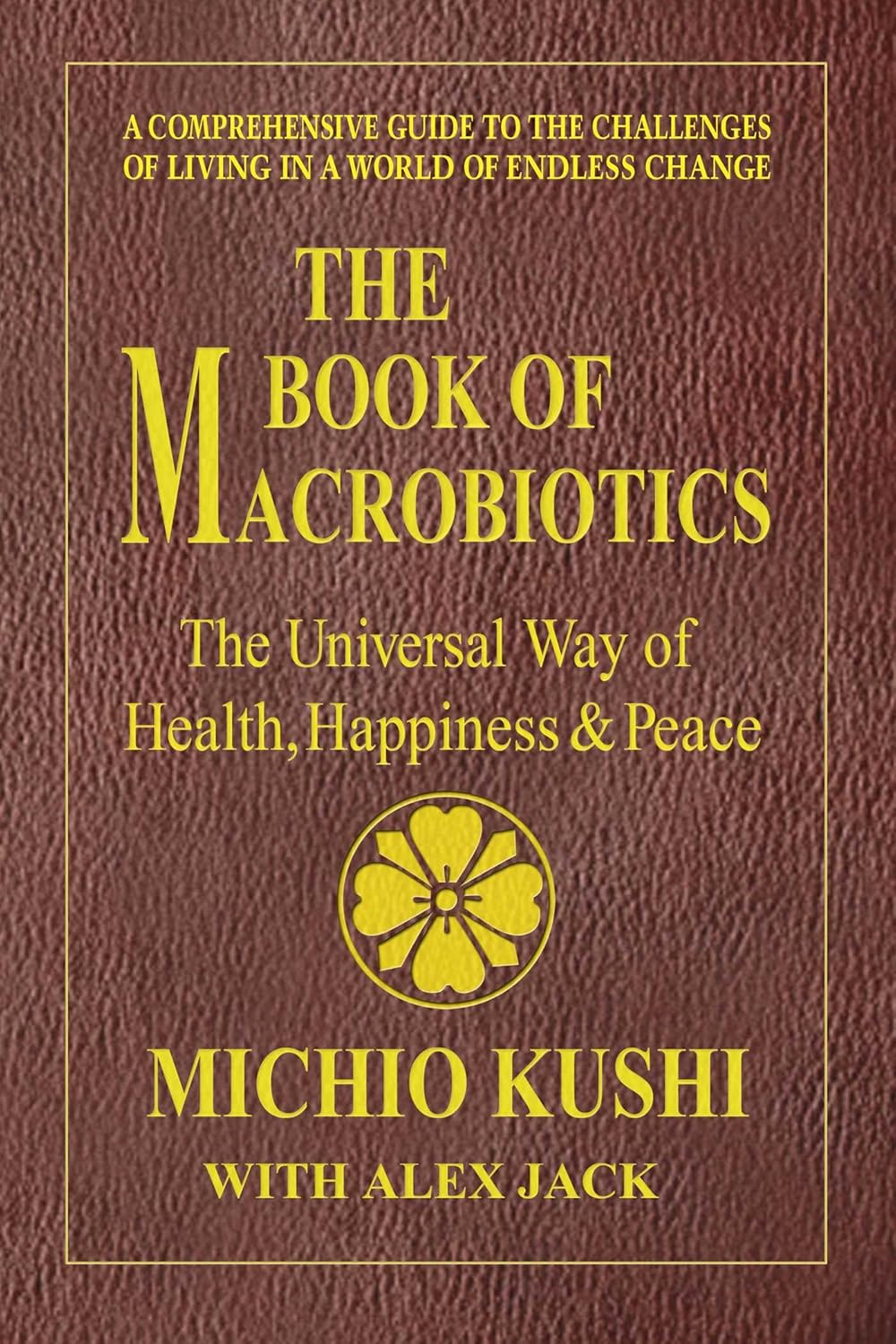
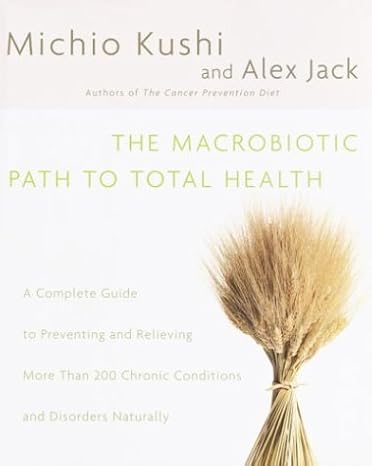
The Macrobiotic Path to Total Health by Michio Kushi presents a comprehensive natural health system centered on diet and lifestyle to prevent and relieve over 200 chronic conditions and disorders. Rooted in ancient wisdom and the Hippocratic principle "Let food be thy medicine," the book emphasizes harmony with nature through whole grains, vegetables, beans, sea vegetables, and soy products, while avoiding refined sugars, dairy, white flour, and chemical additives.
The approach is supported by clinical studies and endorsements from reputable institutions such as Harvard Medical School and the American Cancer Society, highlighting macrobiotics’ role in reducing risks of heart disease, cancer, and enhancing immune function. The book offers updated dietary recommendations, healing diets tailored to individual yin-yang conditions, and lifestyle guidance to support long-term health and healing.
Intended for readers seeking natural preventive and therapeutic strategies for chronic diseases, including cancer, the book serves as an educational resource for patients, caregivers, and practitioners interested in integrative nutrition and lifestyle medicine. It stresses the importance of professional consultation and experienced counseling alongside dietary changes.
PART I: LIVING A LONG, HAPPY LIFE
1. The Macrobiotic Way of Eating
This chapter introduces macrobiotics as a response to modern health crises caused by unnatural food practices and environmental degradation. It advocates eating in harmony with nature, focusing on a diet composed primarily of whole grains (40-60%), fresh vegetables (20-30%), beans (5-10%), sea vegetables (~2%), and minimal animal foods, mainly occasional white-meat fish.
The diet excludes refined sugars, processed foods, tropical fruits in temperate climates, dairy, and artificial additives. Emphasis is placed on fresh food preparation, thorough chewing (at least 50 times per bite), eating only when hungry without overeating, avoiding food intake three hours before sleep, and drinking water and non-stimulant teas. Mindfulness and gratitude during meals are encouraged to enhance digestion and energy assimilation.
2. Balancing Opposites
Health is framed as the dynamic balance of yin and yang—complementary, cyclical forces present in nature, the body, and mind. Imbalance between these forces leads to disease. The chapter explains how human constitution and vitality arise from the interaction of yin (earth) and yang (heaven) energies, producing vital energy (ki) that flows through seven major energy centers (chakras) and meridians.
Macrobiotics applies yin-yang principles to diet and lifestyle to restore harmony. Foods are classified by their yin or yang qualities, influenced by season, climate, taste, and chemical composition. Whole grains provide balanced energy, vegetables generally lean yin, beans nourish kidneys and reproductive systems, and sea vegetables detoxify and strengthen blood and organs. Seasonings such as unrefined sea salt, miso, shoyu, sesame oil, and umeboshi plums aid digestion and energy balance.
The chapter warns against extreme foods that disrupt balance: meat and poultry are strongly yang and contractive; dairy produces mucus and allergies; fish sharpens senses but may cause aggression; bread and sweets cause stagnation; fruit and sugar induce coldness and nervousness; stimulants and drugs weaken vital energy. Cooking methods and mindful eating influence food energy, with natural preparation favored over refined oils, microwaving, chemical treatments, and genetically modified foods.
3. The Energy of Food
Food is the primary source of ki after birth, directly influencing physical health and spiritual quality. The chapter elaborates on how food energy flows in spirals with contraction and expansion phases, reflecting natural balance. Proper food selection and preparation maintain this energy, supporting the body's natural rhythms and healing capacity.
4. Diet and the Development of Disease
The book outlines how modern dietary shifts have reduced some mortality but contributed to chronic diseases linked to dietary imbalances. Disease progression is described in seven stages, from normal discharge to nervous disorders and self-justification. Cancer is viewed as a protective mechanism isolating excess toxins and nutrients from an artificial modern diet.
Healing involves addressing underlying diet and lifestyle factors rather than only symptoms. Substance abuse and eating disorders are connected to dietary imbalances, and mental/emotional disturbances often accompany physical disease progression.
5. A Natural Approach to Healing
Tracing macrobiotics to Hippocrates, the chapter emphasizes health as harmony with nature and diet as central to healing. The tradition integrates Mediterranean, Judeo-Christian, and Eastern yin-yang teachings. Health and societal order are linked through ki energy flow.
Health maintenance requires balancing yin and yang energies primarily through proper food selection and preparation. While heredity shapes constitution, daily condition can be changed by diet and lifestyle. Opposite energetic eating is the main healing strategy, supported by variety, environmental adjustments, and physical activity. Diagnosis includes physiognomy and symptom timing. Health is dynamic adaptation, initiated by personal desire and responsibility.
PART II: BALANCING YOUR CONDITION
Introduction
This section classifies conditions as excess yin, excess yang, or mixed, focusing on overnutrition-related diseases. It covers approximately 200 conditions linked to three healing diets:
- Diet #1 for more yin conditions
- Diet #2 for more yang conditions
- Diet #3 for mixed yin and yang conditions
Healing diets typically last 3-4 months or longer. Causes usually involve excessive intake of certain foods disrupting yin-yang balance. The approach is educational and complementary, not a substitute for medical care. Professional consultation and counseling by experienced macrobiotic teachers are recommended. Medical research and case histories support the protocols. Cooking classes and recipes in Part III aid adherence.
Selected Conditions and Macrobiotic Approaches
AIDS
Recognized as a major modern epidemic with no medical cure, macrobiotics proposes lifestyle and dietary strategies to prevent, control, or relieve symptoms. Symptoms include fatigue, infections, digestive issues, liver problems, and weakened blood quality. The book discusses various hypotheses about causes, including HIV, drug and lifestyle factors, vaccine contamination, bioweapons, and endogenous degeneration.
Dietary recommendations exclude meat, dairy, sugar, stimulants, tropical foods, oily foods, and baked flour products, emphasizing whole grains, cooked vegetables, beans, sea vegetables, and moderate condiments. Lifestyle advice includes avoiding artificial birth interventions, overuse of medications, radiation exposure, drug abuse, and environmental pollution. Home remedies such as umeboshi plums, sweet vegetable drinks, and kombu condiments are suggested. Medical evidence cited shows improved immune function and quality of life. Case histories illustrate improved T cell counts and vitality.
Allergies
Allergies stem from dietary imbalance causing acidic, yin conditions. Triggers include dairy, sugar, tropical fruits, refined foods, and chemicals. Symptoms range from mild sneezing to severe anaphylaxis. Macrobiotic treatment uses balanced diets (Diet #1 or #3), avoidance of triggers, specific teas, condiments, and topical applications.
Emphasis is on whole grains, miso soup, sea vegetables, and avoidance of overly yin foods. Immediate medical attention is advised for severe reactions. Lifestyle recommendations include physical activity, exposure to natural environments, and avoidance of chemicals and artificial materials. Home remedies include ume-sho kuzu, kinpira soup, body scrubs, and bancha tea baths. Medical evidence supports breastfeeding and maternal diet in allergy prevention. Case histories show dramatic improvement in severe allergies and asthma.
Blood and Blood Disorders
Blood quality is directly related to diet. Whole grains and vegetables strengthen blood, while acid-producing modern foods weaken it. Extreme yin foods thin blood; extreme yang foods thicken it. Conditions such as anemia, hemophilia, Rh incompatibility, and sickle cell anemia are linked to dietary imbalances.
Dietary recommendations emphasize whole grains, miso soup with sea vegetables, iron-rich vegetables, and avoidance of baked flour products and simple sugars. Lifestyle includes body scrubs, physical activity, and avoidance of electromagnetic radiation. Home remedies include miso-zosui, ume-sho kuzu, kinpira soup, and ginger compresses. Medical evidence shows macrobiotic men have optimal blood values.
Bone and Joint Disorders
Common disorders include arthritis, bursitis, osteoporosis, and scoliosis. Bones and joints are relatively yang and strengthened by whole grains, beans, sea vegetables, miso, shoyu, and sea salt. Excessive yin foods (sugar, dairy, oily foods) and extreme yang foods (meat, eggs) damage bones and joints.
Dietary approaches vary by condition, often using Diet #1 or #3. Lifestyle includes moderate exercise, body scrubs, and avoidance of smoking. Home remedies include ginger compresses, tofu and leafy greens plasters, and salt packs.
Cancer
Cancer is presented as the body’s mechanism to isolate excess nutrients and toxins from an artificial modern diet high in animal protein, saturated fat, refined sugars, salt, chemicals, and processed foods. Tumors form when excess nutrients exceed the body's discharge capacity.
Natural reversal of cancer is possible through proper diet, special dishes, drinks, compresses, and home remedies, though medical treatments may be combined when necessary. Dietary protocols vary by cancer type and yin/yang balance, emphasizing whole grains, vegetables, beans, sea vegetables, and avoidance of animal fats, sugars, processed foods, and stimulants.
Lifestyle includes avoiding synthetic clothing, electromagnetic radiation, and maintaining a positive attitude. Medical evidence supports the macrobiotic diet’s role in reducing cancer risk and improving survival. Case histories document remission and recovery.
Digestive Problems
Conditions such as Crohn’s disease, diarrhea, diverticular disease, enteritis, irritable bowel syndrome, hemorrhoids, and hernia relate to dietary imbalances of extreme yin and yang foods. Remedies include roasted rice, kuzu cream, umeboshi plums, ginger tea, and external compresses.
Dietary guidelines emphasize whole grains, high-fiber vegetables, and fermented foods to restore digestive balance and function.
Infectious Diseases and Lifestyle
A macrobiotic diet emphasizing whole grains, vegetables, and fermented foods like miso is recommended for infection prevention and treatment. Sun exposure is cautioned. Antibiotic resistance is a concern; natural antibiotics from fermented foods have historical use.
Vaccinations may promote more virulent microbes; caution is advised. Nutritional deficiencies can cause viral mutations, and some infections may arise internally from cellular degeneration. Lifestyle recommendations include maintaining happiness, daily outdoor walking, using natural fibers, avoiding microwaved food and electromagnetic fields, practicing positive visualization, safe sex, avoiding drugs, maintaining a clean environment, and using natural body-care products.
Home remedies include koi-koku soup, kinpira soup, miso plasters, body scrubs, umeboshi plums, and bancha twig tea. Medical consultation is advised for serious infections.
Kidney and Bladder Problems
Common issues include infections, stones, uremia, and incontinence. Kidneys regulate blood chemistry, fluid balance, and hormone production. Symptoms include snoring, bed-wetting, urinary problems, lower back pain, swelling, sleep disturbances, nausea, lethargy, and mental disorders.
Causes involve overconsumption of animal foods, refined grains, sugar, liquids, stimulants, cold/frozen foods, and high-protein diets increasing urea load. Oxalate-rich foods relate to stones; salt and water imbalance also contribute.
Prevention and relief focus on balanced diets emphasizing whole grains, vegetables, controlled liquids, and avoiding extremes. Specific diets (#1 for yin, #2 for yang, #3 for combined) are used. Treatments include hydration, pain medication, surgery, and macrobiotic dietary protocols. Ginger compresses and hot bancha twig tea aid stone relief.
Kidney disease symptoms include swelling, thirst, nausea, and uremia; causes include diabetes, toxins, and drugs. Macrobiotic Diet #3 can prevent or slow kidney disease. Nephritis is linked to infections or immune reactions; Diet #3 is recommended. Daikon and shiitake-adzuki bean drinks help kidney detox.
Lifestyle advice includes early rising, moderate exercise, avoiding synthetic clothing, keeping kidneys warm, avoiding long baths, and reducing stress. Medical evidence supports high fiber and whole grains reducing urinary stone risk.
Liver Problems
The liver detoxifies, produces bile, regulates blood sugar, and synthesizes hormones and enzymes. Symptoms include liver area pain, swelling, forehead lines, eye problems, irritability, and impatience. Causes are excessive yang foods (animal products, salt, baked goods), excessive yin foods (sugar, alcohol, fats), chemicals, and stress.
Disorders include cirrhosis (often alcohol-related), hepatitis (viral or toxic), and jaundice. Macrobiotic diets are tailored: Diet #1 for yin-related hepatitis A/E, Diet #2 for yang-related hepatitis B/D, Diet #3 for mixed hepatitis C. Raw foods, hard baked products, oil, and animal foods are avoided during recovery.
Sour foods like apple juice and umeboshi plums, and cabbage plasters are recommended. Lifestyle includes calm mind, moderate exercise, avoiding eye strain, and wearing cotton. Home remedies include shiitake-daikon-buckwheat tea, umeboshi, carrot-daikon drink, grated daikon with shoyu, lemon water, leafy greens juice, and do-in massage. Medical evidence shows reduced dairy protein lowers hepatitis B risk.
Lung Problems
Conditions range from coughs to pneumonia, with mucus buildup as a main cause. Symptoms include cough, shortness of breath, chest tightness, and cheek discoloration. Causes include dietary imbalance, pollution, and smoking; excessive yin (dairy, sugar) and yang (animal foods, salt) foods contribute.
Asthma is linked to strong yin foods; Diet #1 is recommended with ginger compress and umeboshi for relief. Bronchitis involves inflammation from yin foods; Diet #1 with more yang seasoning and hot compresses help. Coughs vary by yin or yang type; lotus root or shiitake teas are recommended.
Cystic fibrosis and emphysema require Diet #3 and plasters. Pleurisy is treated with Diet #1. Pneumonia, viral or bacterial, is treated with Diet #3; antibiotics are common but resistance is rising.
Lifestyle includes early rising, fresh air, avoiding synthetic fibers and pollution, daily body scrubs, limiting electromagnetic exposure, avoiding smoking, regular bowel movements, thorough chewing, positive emotions, moderate breathing exercises, and singing. Home remedies include lung drink, lotus root plaster, mustard plaster, cold compresses, lotus root juice tea, carrot-daikon drink, sweet vegetable drink, black bean juice, brown rice-ginger compress, and carp plaster. Immediate medical care is advised if coughing blood.
Mad Cow Disease (vCJD)
Caused by contaminated beef/dairy or cattle products, leading to fatal brain and central nervous system disease. Symptoms include loss of coordination and nervous dysfunction. Causes include feeding cows rendered animal parts and pesticide exposure.
Diet #3 avoids all animal-quality foods, factory-raised meats, wild game, sugar, refined grains, tropical foods, spices, stimulants, chemicalized foods, and raw salads/fruit/juice until improvement. Lifestyle avoids products containing cattle parts, contaminated gardening products, and blood transfusions unless from uncontaminated sources.
Home remedies include umeboshi plums, ume-sho kuzu, kinpira soup, and baked kombu condiment. Sporadic CJD is similar but unrelated; macrobiotic diet recommended.
Mental and Emotional Problems
Affecting about 10% of the population, these problems are linked to physical and mental/emotional health. Symptoms include physical signs (flushed face, irregular pulse, allergies, digestive issues, cancer tendency, dizziness, shaking, osteoporosis) and mental/social signs (forgetfulness, fatigue, anxiety, mood swings, paranoia, violence).
Causes include disharmony with environment, poor diet, blood quality weakening, organ imbalances, sugar and extreme yin foods causing mental/emotional problems, strong contractive foods causing attachment and guilt, and animal foods linked to anger, irritability, anxiety, fear, paranoia.
Organ-emotion correlations are discussed: liver (anger), spleen/pancreas/stomach (anxiety), kidneys/bladder (fear), heart/small intestine (nervousness). Forms include bipolar disorder (Diet #3), existential despair (restoring natural eating), phobias/OCD (Diet #1, #2, or #3), PTSD (Diet #2 or #3), reactive depression and grief (simple diet), and schizophrenia (Diet #1). Seasonal Affective Disorder (SAD) is linked to failure to adjust diet seasonally; Diet #3 and lifestyle adjustments are recommended.
Stress is viewed as internal imbalance; diets and lifestyle practices vary by yin or yang stress. Home remedies include specific grain stews, vegetable nabe, ume-sho kuzu, salt-based condiments, leafy greens juice, lotus root tea, adzuki bean tea, ginger compresses, and hot foot baths. Serious disorders require medical care; macrobiotic approach complements conventional therapy. Medical evidence supports whole grains, low-fat diets, and omega-3s in mental health. Case history documents recovery from schizophrenia with macrobiotic diet.
Muscle Problems
Include swelling, inflammation, stiffness, cramps, weakness, tension, and pain, often in back and neck. Caused by animal protein, sugar, oily foods, stimulants, spices, and alcohol. Muscles are governed by the liver and nourished by whole grains, leafy greens, fermented foods, and sour-tasting foods.
Specific disorders include backache, cerebral palsy, cramps/spasms, muscular dystrophy, and myasthenia gravis. Treatments include dietary adjustments (Diet #1 or #2), body scrubs, compresses, and gentle exercise.
Nervous Disorders
Dietary imbalances cause nerve tightening (excess yang foods) or loosening (excess yin foods). Conditions include Alzheimer’s Disease (Diet #3), ALS (Diet #3), dizziness and vertigo (Diet #1 or #2), epilepsy (Diet #1), Gulf War Syndrome (Diet #1 or #3), Huntington’s Disease (Diet #3), Multiple Sclerosis (Diet #1, #2, or #3), neuralgia, numbness, Parkinson’s Disease (Diet #1 or #2), peripheral nerve disorders, pinched nerve, spinal cord disorders, and Tourette’s Syndrome (Diet #3).
Treatments include dietary protocols, ginger compresses, body scrubs, moxibustion, foot baths, chanting, and meditation. Medical evidence supports whole grains, plant-based diets, and folic acid in neurological health.
Pancreatic Problems
Include diabetes (Type 1 and 2), hypoglycemia, pancreatitis, and pancreatic cancer. Symptoms vary from abdominal abnormalities to mood swings and fatigue. Causes include excessive animal fats, sugars, dairy, refined grains, stimulants, alcohol, and late-night eating.
Macrobiotic diet (whole grains, beans, vegetables, sea vegetables) reduces medication needs. Hypoglycemia is treated with Diet #3 emphasizing sweet vegetables and limited fruit. Pancreatitis is managed with Diet #1 or #2. Lifestyle includes calm environment, gentle healing practices, and moderate activity. Home remedies include sweet vegetable drinks, carrot-daikon juice, and ginger compresses. Medical evidence shows whole grains and exercise reduce diabetes risk.
Repetitive Stress Injuries
Include carpal and tarsal tunnel syndromes with numbness, pain, and weakness. Caused by dietary extremes leading to joint fat accumulation and stiffness. Treatment includes Diet #3, soba noodles, kinpira soup, lotus root-carrot-daikon drink, body scrubs, massage, yoga, and alternating ginger and cold towel compresses.
Sinus Problems
Caused by mucus-producing foods (dairy, sugar, fruit, oily foods, refined flour). Symptoms include sinus pressure, nasal blockage, bad odor, and occasional fever. Diet emphasizes whole grains, avoiding oats, refined flour, sugars, dairy, and animal foods except limited fish.
Lifestyle includes daily walks, avoiding artificial environments, and limiting medications. Home remedies include body scrub, lotus root plaster, ginger compress, and acupressure.
Spleen Problems
The spleen filters lymph, produces white blood cells, stores minerals, and supports immunity. Symptoms include swelling, lymph node enlargement, fatigue, and negative emotions. Causes include excessive yin (sugar, dairy, fats, refined grains) and yang (meat, eggs, salt) foods.
Dietary and lifestyle recommendations focus on restoring balance through macrobiotic principles, though detailed protocols are covered in the book.
PART III: MANAGING YOUR HEALTH
9. The Standard Macrobiotic Way of Eating
This chapter consolidates the foundational macrobiotic diet emphasizing whole grains, vegetables, beans, sea vegetables, and fermented soy products. It reiterates avoidance of refined sugars, dairy, processed foods, and stimulants. The standard diet serves as the baseline for health maintenance and prevention.
10. Healing Diets
Three specialized healing diets are detailed:
- Diet #1: For more yin conditions, emphasizing warming, yang-supporting foods.
- Diet #2: For more yang conditions, emphasizing cooling, yin-supporting foods.
- Diet #3: For mixed yin and yang conditions, balancing both energies.
Each diet includes specific food selections, preparation methods, and seasoning adjustments tailored to individual conditions. Duration and progression guidelines are provided to support healing.
11. Way-of-Life Suggestions
Lifestyle recommendations complement dietary protocols, including moderate physical activity, stress management, adequate sleep, environmental awareness, and mindful eating practices. Emphasis is placed on natural fibers, avoidance of synthetic materials, limiting electromagnetic exposure, and fostering positive mental attitudes.
12. Menus
Sample menus illustrate balanced macrobiotic meals incorporating whole grains, vegetables, beans, sea vegetables, and fermented products. Menus are designed to support healing diets and everyday health maintenance.
13. Macrobiotic Recipes
Recipes provide practical guidance for preparing macrobiotic meals, including staple dishes, soups, stews, condiments, and desserts. Emphasis is on natural ingredients, simple preparation, and preserving food energy.
14. Home Remedies
Home remedies include traditional macrobiotic preparations such as umeboshi plums, miso plasters, ginger compresses, kinpira soup, and various herbal teas. These remedies support symptom relief, detoxification, and energy balance.
Glossary and Macrobiotic Resources
The book concludes with a glossary defining key macrobiotic terms and a resource section listing organizations, books, and educational opportunities for further study and support.
Overall Strengths and Utility
The Macrobiotic Path to Total Health offers an extensive, detailed framework for understanding and applying macrobiotic principles to prevent and manage a wide range of chronic diseases, including cancer. Its integration of ancient wisdom with modern clinical evidence provides a unique perspective on diet and lifestyle as foundational to health.
The book’s comprehensive coverage of over 200 conditions, tailored healing diets, lifestyle advice, and practical recipes make it a valuable reference for patients, caregivers, and health professionals interested in integrative and natural approaches to chronic disease management.
Its emphasis on yin-yang balance, food energy, and mindful living aligns with holistic health paradigms, while its cautionary notes about medical consultation and professional guidance ensure responsible use.
Limitations and Cautions
The book is educational and complementary, not a substitute for conventional medical diagnosis or treatment. Some dietary recommendations may require adaptation for individual nutritional needs or cultural preferences. Readers are advised to consult healthcare professionals before making significant dietary or lifestyle changes, especially when managing serious illnesses.
While the macrobiotic approach is supported by some clinical studies, it may not be universally accepted or applicable in all medical contexts. The book’s theoretical framework based on yin-yang balance may be unfamiliar to those without background in Eastern philosophy.
Conclusion
The Macrobiotic Path to Total Health serves as a thorough guide to natural health through diet and lifestyle, emphasizing prevention and healing of chronic conditions via macrobiotic principles. Its detailed protocols, condition-specific guidance, and holistic perspective contribute valuable insights to cancer-options and integrative health databases.