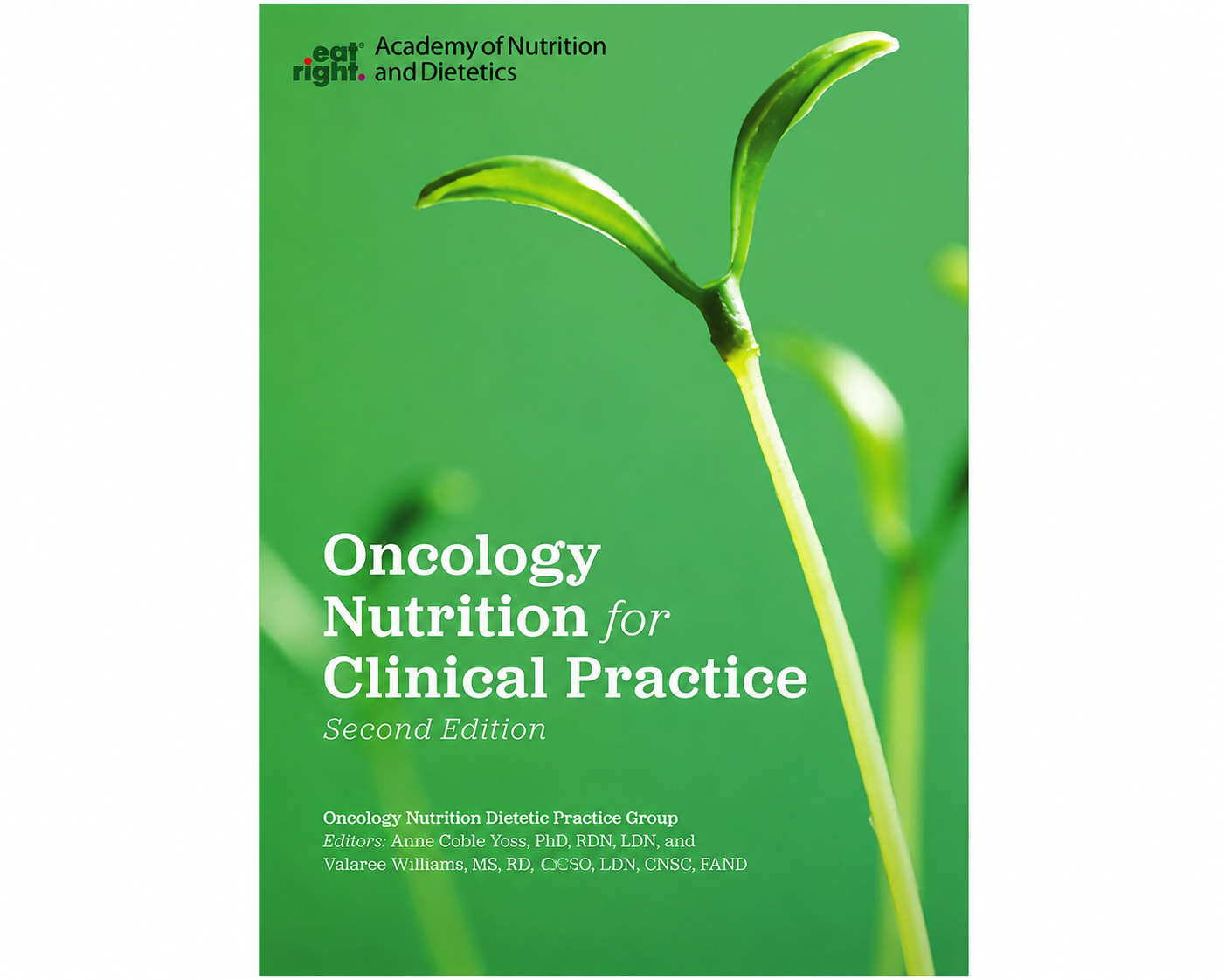
Oncology Nutrition for Clinical Practice – Comprehensive Summary
Scope and Purpose:
Oncology Nutrition for Clinical Practice is a comprehensive, evidence-based reference text designed to guide oncology dietitians, nutrition professionals, and multidisciplinary cancer care teams in the nutritional management of patients across the cancer continuum. Spanning 690 pages, the book integrates foundational cancer biology, prevention strategies, treatment-related nutrition challenges, survivorship care, and integrative approaches including complementary therapies and dietary supplements. It emphasizes individualized nutrition assessment, intervention, and monitoring tailored to cancer type, treatment modality, and patient-specific factors, with a strong focus on optimizing clinical outcomes and quality of life.
Intended Audience:
The primary audience includes registered dietitian nutritionists (RDNs) specializing in oncology, clinical nutritionists, oncology nurses, physicians, and allied health professionals involved in cancer care. The text also serves as a resource for researchers and educators in oncology nutrition, providing detailed clinical guidelines, symptom management strategies, and emerging topics such as integrative medicine and medical cannabis.
1. Cancer Biology, Epidemiology, and the Role of Nutrition
The book opens with an overview of cancer as a group of over 100 neoplastic diseases characterized by uncontrolled cell growth. It highlights the epidemiology of cancer in the United States, noting approximately 1.8 million new cases and 600,000 deaths in 2020, with improvements in 5-year survival rates but persistent racial disparities. Common cancers vary by sex, and rising cancer care costs are linked to aging populations and survivorship care needs.
Carcinogenesis is described as a multistep process involving initiation, promotion, and progression phases influenced by genetic, environmental, and behavioral risk factors. Nutrition plays a multifaceted role in carcinogenesis through mechanisms such as detoxification, DNA repair, antioxidant activity, and modulation of inflammation. Excess adiposity is identified as a significant risk factor via hormonal and cytokine alterations. Certain dietary exposures, including high-heat cooked meats and aflatoxins, increase cancer risk.
The chapter underscores the importance of nutrition in managing treatment side effects and improving quality of life. Folate is discussed as an example of a nutrient with dual roles in cancer prevention and treatment. Standardized nutrition diagnosis language (PES statements) facilitates documentation and communication. The concept of cancer survivorship is defined as the posttreatment phase, distinct from diagnosis and end-of-life stages.
2. Nutrition and Cancer Prevention
Approximately 40% of cancers in the U.S. are considered preventable through lifestyle modifications. Key recommendations include maintaining a healthy weight (BMI 18.5-24.9), engaging in regular physical activity (≥150 minutes of moderate intensity weekly), and consuming diets rich in whole grains, fruits, vegetables, and legumes. Limiting processed and red meats, avoiding sugar-sweetened beverages, restricting or abstaining from alcohol, and breastfeeding are also emphasized.
Excess adiposity increases cancer risk through mechanisms such as insulin resistance, chronic inflammation, estrogen production, immune system alterations, and microbiome changes. Physical activity reduces risks of colon, breast, and endometrial cancers by modulating hormonal and immune pathways. Plant-based diets provide fiber and phytochemicals that influence carcinogenesis favorably.
The strong association between red and processed meats and colorectal cancer is noted, as is the contribution of sugar-sweetened beverages to obesity and cancer risk. Alcohol is recognized as a carcinogen linked to multiple cancers. The text advises against supplement use for cancer prevention due to lack of benefit and potential risks. Breastfeeding is protective against maternal breast cancer.
Emerging topics include limited evidence for organic foods reducing cancer risk, no increased risk from genetically engineered foods, potential benefits of anti-inflammatory foods, and the safety and possible protective effects of moderate soy food and phytoestrogen intake. Cancer survivors are encouraged to follow prevention guidelines and receive nutritional counseling.
3. Energy Balance, Body Composition, and Physical Activity
Overweight and obesity are prevalent and linked to increased risk of at least 13 cancers and poorer treatment outcomes. The limitations of BMI as a sole measure are discussed, with waist circumference and imaging techniques (CT, DXA) providing better body composition assessment. Sarcopenia and sarcopenic obesity are important predictors of treatment toxicity and mortality.
Obesity promotes cancer development through insulin resistance, inflammation, adipokine dysregulation, and estrogen production. Physical activity modulates these pathways, enhances immune function, and improves survival. Cachexia is described as a metabolic syndrome characterized by muscle loss not reversible by nutrition alone.
fasting-235-books.html">Intermittent fasting is introduced as a promising approach to improve treatment efficacy and reduce side effects, though further research is needed. The "obesity paradox," where mild obesity may improve survival in some cancers, is noted. Weight management in survivors is critical, with comprehensive programs combining diet, physical activity, and behavioral modification recommended. Physical activity during treatment is safe with appropriate screening and improves quality of life, muscle strength, and may reduce cardiotoxicity.
4. Nutrition Risk Screening and Assessment
Malnutrition is common in cancer patients and adversely affects immunity, treatment tolerance, and outcomes. Early and regular nutrition risk screening using validated tools is essential, with timely referral to oncology RDNs. Comprehensive assessment includes food history, anthropometrics, biochemical data, physical examination, and client history.
Cachexia affects up to 80% of patients with advanced cancer and is staged as precachexia, cachexia, and refractory cachexia. Diagnosis of malnutrition requires at least two clinical characteristics such as inadequate energy intake, weight loss, loss of body fat or muscle mass, fluid accumulation, or reduced grip strength. Serum proteins are unreliable markers due to inflammation.
Weight management during treatment is an emerging area; modest weight loss may be safe with close monitoring. Collaboration among oncology teams is vital for comprehensive care.
5. Nutritional Needs of Adult Oncology Patients
Metabolic alterations in cancer vary by tumor type and are driven largely by inflammation, which affects protein, carbohydrate, and lipid metabolism. Cachexia involves loss of lean body mass and functional impairment. Energy expenditure varies; indirect calorimetry is the gold standard for measurement.
Protein needs increase to 1.0-1.5 g/kg/day or higher in cachexia. Carbohydrate and fat requirements generally follow standard guidelines. Fluid needs increase due to treatment-related losses. Micronutrient deficiencies impair immunity, and inflammation affects serum nutrient levels.
Predictive equations are used when indirect calorimetry is unavailable. Obese and older adults require tailored energy and protein prescriptions. The risk of refeeding syndrome necessitates cautious initiation and monitoring of nutrition support.
6. Integrative Oncology: Mind-Body Interventions
Complementary and alternative medicine (CAM) and integrative medicine (IM) are increasingly incorporated into cancer care, particularly mind-body interventions (MBIs) such as yoga, meditation, acupuncture, Tai Chi, and Qigong. MBIs improve quality of life, fatigue, anxiety, depression, pain, nausea, and appetite.
Evidence grades vary: meditation has Grade A evidence; acupuncture and yoga have Grade B/C. MBIs modulate stress responses via autonomic and neuroendocrine pathways. Oncology dietitians should assess patient use of CAM, provide guidance, and collaborate with credentialed practitioners. Ongoing research and education aim to optimize integration.
7. Diets, Functional Foods, and Dietary Supplements
Plant-based diets rich in whole grains, fruits, vegetables, and legumes are protective against cancer. Functional foods contain bioactive compounds such as antioxidants and prebiotics that may modulate carcinogenesis. Examples include resistant starches, flaxseed, chicory root, oats, and algae.
Dietary supplements are widely used but require caution due to safety concerns, efficacy uncertainty, and potential drug interactions. Some botanicals, such as St. John’s wort, affect chemotherapy metabolism. Antioxidant supplements may interfere with treatment efficacy; routine use during active treatment is not recommended.
Oncology RDNs should evaluate supplement use carefully and educate patients on risks and benefits.
8. Nutrition and Cancer Survivorship
With increasing numbers of cancer survivors, long-term nutrition-related side effects and risks are common, including weight changes, sarcopenic obesity, fatigue, and comorbidities. Nutritional assessment includes anthropometry, biochemical measures, dietary intake, and functional status.
Weight management combining diet, physical activity, and behavior modification improves outcomes. Physical activity maintains lean mass, bone health, and reduces recurrence risk. Protein intake greater than 1.2 g/kg/day is recommended for older survivors. Supplement use is common but evidence for recurrence prevention is limited; focus remains on correcting deficiencies.
Resources are available for both providers and survivors to support ongoing nutrition care.
9. Nutritional Effects of Medical Oncology Treatment
Medical oncology treatments include chemotherapy, targeted therapy, immunotherapy, and hormone therapy. Chemotherapy targets rapidly dividing cells but causes side effects such as mucositis, nausea, and myelosuppression that impact nutrition.
Pharmacogenomics enables personalized treatment approaches. Targeted therapies (monoclonal antibodies, small molecules) have distinct side effect profiles. Immunotherapies stimulate immune responses but may cause unique toxicities. Hormone therapies affect metabolism and cause side effects impacting nutritional status.
Nutritional management focuses on addressing side effects to maintain nutritional status and support treatment tolerance.
10. Radiation Oncology Nutrition Effects
Radiation therapy uses ionizing radiation (external beam, brachytherapy, radiopharmaceuticals) to damage DNA and kill cancer cells. Side effects depend on treatment site and dose and include mucositis, fatigue, gastrointestinal symptoms, and late organ damage.
Radiopharmaceuticals have systemic effects. Nutrition care aims to manage both acute and chronic side effects to support patient well-being.
11. Managing Nutrition Impact Symptoms
Nutrition impact symptoms (NIS) such as anorexia, taste changes, constipation, diarrhea, dysphagia, fatigue, malabsorption, nausea, mucositis, candidiasis, and xerostomia impair oral intake and nutritional status. Assessment uses Common Terminology Criteria for Adverse Events (CTCAE) grading.
Interventions include tailored diet modifications, pharmacotherapy, and supportive care. Oncology RDNs utilize evidence-based guidelines to manage symptoms and improve clinical outcomes.
12. Nutrition Support in Oncology
Enteral nutrition (EN) is preferred unless contraindicated and is indicated for malnourished patients unable to meet needs orally for more than 7-14 days. EN reduces infections and costs compared to parenteral nutrition (PN). Access devices vary by duration and patient condition.
Blenderized tube feeding is an emerging option but presents challenges. EN complications include metabolic, gastrointestinal, mechanical, and drug-nutrient interactions. Prevention of refeeding syndrome is critical. Home EN requires patient and caregiver education and support.
PN is reserved for patients with nonfunctional gastrointestinal tracts and requires central venous access and close monitoring. Long-term PN complications include metabolic and organ dysfunction. Nutrition support in palliative care aims to improve quality of life.
13. Pediatric Oncology Nutrition
Childhood cancers differ in type and treatment from adult cancers. Nutrition is critical for growth, development, and treatment tolerance. Malnutrition and obesity may coexist, both affecting outcomes. Screening tools such as the SCAN and consensus criteria guide assessment.
Energy and protein needs are elevated during stress. Micronutrient deficiencies, especially calcium and vitamin D, are common. Nutrition interventions include oral supplements, appetite stimulants, enteral nutrition, and parenteral nutrition. Early and ongoing nutrition care improves outcomes.
14. Medical Nutrition Therapy for Hematologic Malignancies
Hematologic cancers include leukemia, lymphoma, and plasma cell neoplasms, which disrupt blood cell production. Risk factors include age, genetics, toxins, and obesity. Maintaining a healthy weight may reduce risk.
Diagnosis involves physical exam, bone marrow biopsy, blood tests, and imaging. Nutrition therapy addresses treatment side effects and supports immune function. Malnutrition prevalence ranges from 27-50% and is linked to infections and worse outcomes.
Early nutrition screening with tools like the Malnutrition Screening Tool and PG-SGA is critical. Pre-hematopoietic cell transplantation (HCT) nutrition status strongly affects outcomes; >10% weight loss pre-HCT predicts poorer survival.
Chemotherapy-induced nausea and vomiting (CINV) are common, especially in acute myeloid leukemia (AML). Bone health concerns in multiple myeloma (MM) include osteolytic lesions; calcium and vitamin D supplementation is recommended unless contraindicated.
Sarcopenia predicts higher mortality; combined nutrition and physical therapy are advised. Vitamin D deficiency is common and supplementation may improve outcomes in diffuse large B-cell lymphoma (DLBCL). Renal disease is frequent in MM, requiring tailored nutrition with restrictions on sodium, protein, phosphorus, and potassium as needed.
Amyloidosis causes gastrointestinal and cardiac symptoms; nutrition focuses on symptom management and supplementation. Hyperglycemia is often steroid-induced; diabetes increases mortality risk. Hypertriglyceridemia is rare but seen in acute lymphoblastic leukemia (ALL) with PEG-L-asparaginase and managed with fat restriction.
Survivorship nutrition addresses cardiovascular risk, osteoporosis, and diabetes risk with emphasis on balanced energy intake, fruits, vegetables, whole grains, limited saturated fat, low sodium (<2.3 g/day), and physical activity. RDNs play a key role in prevention, management, and survivorship care.
15. Hematopoietic Cell Transplantation (HCT) Nutrition
HCT replaces defective bone marrow and includes autologous, syngeneic, and allogeneic types. Conditioning regimens vary in intensity and cause side effects such as gastrointestinal toxicities and neutropenia.
Nutrition assessment includes history, anthropometrics, and laboratory data with serial monitoring recommended. Energy needs increase posttransplant; protein needs are elevated (~1.5 g/kg). Oral feeding is preferred; neutropenic diets lack evidence and focus is on food safety.
Body weight impacts outcomes: underweight status is linked to poor survival, while obesity increases graft-versus-host disease (GVHD) risk. Common complications include mucositis, sinusoidal obstructive syndrome, hyperglycemia, renal impairment, and infections.
GVHD affects skin, liver, and gastrointestinal tract; nutrition support is tailored to symptoms. Enteral nutrition is preferred; parenteral nutrition is reserved for severe cases. Monitoring includes weight, intake/output, tolerance, and laboratory values.
Survivorship issues include chronic GVHD, bone disease, vitamin D deficiency, and metabolic syndrome. Emerging therapies such as CAR T-cell therapy require toxicity management. RDNs are essential for assessment, intervention, and ongoing monitoring.
16. Primary Brain Tumors
Primary brain tumors include benign and malignant types diagnosed by imaging and biopsy. Treatments include surgery, radiotherapy, chemotherapy, and tumor-treating fields.
Malnutrition prevalence is approximately 17.6%, with symptoms including weight loss, nausea, vomiting, and dysphagia. Hyperglycemia is common due to dexamethasone use; intensive glucose control is not standard.
The ketogenic diet (KD) is used experimentally, characterized by high fat and low carbohydrate intake aiming to exploit altered cancer metabolism. KD requires multidisciplinary management due to side effects such as gastrointestinal symptoms and nutrient deficiencies.
Survivorship challenges include cognitive impairment and caregiver burden. Mealtime strategies address fatigue, coordination difficulties, and taste changes. RDNs provide education, symptom management, and support.
17. Breast Cancer Nutrition
Breast cancer types include ductal carcinoma in situ (DCIS) and invasive ductal or lobular carcinoma. Prognosis depends on staging and biomarkers. Treatments include surgery, chemotherapy, targeted therapy, and endocrine therapy.
Nutrition goals focus on managing symptoms, maintaining healthy weight, and preventing muscle loss. Fatigue is common; exercise and a healthy diet may alleviate symptoms. Lymphedema affects 20-42% of patients; weight loss and exercise reduce severity.
Vasomotor symptoms may be managed with soy isoflavones and vitamin E. Aromatase inhibitor-induced musculoskeletal symptoms may respond to vitamin D supplementation. Chemotherapy side effects such as nausea, mucositis, and taste changes may be mitigated by glutamine.
Weight gain is common during treatment; intentional weight loss is feasible with oncologist approval. Survivorship nutrition emphasizes a plant-based, low-fat diet rich in fruits, vegetables, and fiber. Supplements such as vitamin D and omega-3 fatty acids may be beneficial, while antioxidants remain controversial. Physical activity improves survival and quality of life.
18. Esophageal and Gastric Cancers
Esophageal cancer includes squamous cell carcinoma and adenocarcinoma, both with poor prognosis. Symptoms include dysphagia and weight loss. Treatments involve surgery, chemotherapy, radiation, and stenting.
Nutrition management focuses on dysphagia and malnutrition, with enteral feeding preferred. Postoperative complications such as dumping syndrome require dietary modifications.
Gastric cancer types include intestinal and diffuse adenocarcinomas, with high malnutrition rates. Treatments include subtotal or total gastrectomy, chemotherapy, and radiation. Preoperative nutrition assessment is critical; early postoperative feeding is encouraged.
Sarcopenia is common; nutrition and exercise interventions are beneficial. Postgastrectomy syndromes include early satiety, dumping, diarrhea, and frequent nutrient deficiencies (vitamin B12, iron, folate). Palliative care focuses on symptom relief. Survivorship requires long-term nutrition monitoring.
19. Gastrointestinal Cancers: Liver, Bile Duct, Gallbladder, Small Bowel, Colon, Rectum, Anus
Hepatocellular carcinoma (HCC) is linked to cirrhosis; treatments include resection, transplant, systemic, and liver-directed therapies. Nutrition recommendations include energy intake of 25-40 kcal/kg/day and protein 1-1.5 g/kg/day, with monitoring for sarcopenia.
Cholangiocarcinoma and gallbladder carcinoma are treated with surgery, chemotherapy, and radiation; nutrition is affected by bile duct obstruction. Neuroendocrine tumors secrete hormones causing carcinoid syndrome; management includes diarrhea control and niacin supplementation.
Colorectal cancer is common; treatments include surgery, chemotherapy, and radiation. Nutrition management addresses bowel function, ostomy care, and vitamin deficiencies. Anal carcinoma is treated with chemoradiation; nutrition support focuses on mucositis and diarrhea management. Interventions are tailored to cancer type and treatment.
20. Pancreatic Cancer
Most pancreatic cancers are exocrine tumors with poor prognosis. Risk factors include family history, smoking, obesity, and pancreatitis. Treatments include surgery (pancreaticoduodenectomy), chemotherapy, and radiation.
Malnutrition and cachexia are highly prevalent. Pancreatic exocrine insufficiency (PEI) is common; pancreatic enzyme replacement therapy (PERT) is essential. Nutrition includes semi-elemental formulas and fat restriction if severe steatorrhea occurs.
Diabetes is frequent; a liberalized diet with glucose monitoring is recommended. Postoperative complications include delayed gastric emptying, diarrhea, pancreatic fistula, and chyle leak. Long-term survivors are at risk for micronutrient deficiencies and bone loss. RDNs play a critical role throughout treatment and survivorship.
21. Head and Neck Cancers
Risk factors include tobacco, alcohol, and human papillomavirus (HPV). Symptoms include dysphagia, mucositis, and xerostomia. Treatments involve surgery, radiation, and chemotherapy.
High prevalence of malnutrition and weight loss necessitates early nutrition assessment and intervention. Feeding tube placement is common. Energy needs are elevated post-treatment; protein needs are increased. Survivorship includes chronic symptoms requiring ongoing nutrition support.
22. Lung Cancer
Lung cancer is the leading cause of cancer death. Types include non-small cell lung cancer (NSCLC) and small cell lung cancer (SCLC). Treatments include surgery, chemotherapy, radiation, targeted therapy, and immunotherapy.
Malnutrition and sarcopenia are common. Nutrition goals focus on maintaining weight and muscle mass. Interventions include energy- and protein-dense diets, supplements, and artificial nutrition if needed. Early dietary counseling improves outcomes.
23. Gynecologic Cancers
Gynecologic cancers include cervical, uterine, and ovarian cancers. Risk factors vary; HPV vaccination reduces cervical cancer incidence. Treatments include surgery, chemotherapy, radiation, and targeted therapy.
Malnutrition is common, especially in ovarian cancer. Nutrition assessment tools such as NRS 2002 and PG-SGA are used. Energy needs range from 25-35 kcal/kg/day; protein needs are 1-1.5 g/kg/day. Radiation-induced diarrhea is managed with fiber and probiotics.
Malignant bowel obstruction is common in ovarian cancer; management includes conservative measures, surgery, and parenteral nutrition in select cases. Palliative care focuses on symptom relief. Survivorship includes lifestyle counseling.
24. Prostate Cancer
Most prostate cancers are adenocarcinomas. Risk factors include age, ethnicity, and genetics. Treatments include active surveillance, surgery, radiation, androgen deprivation therapy (ADT), and chemotherapy.
Nutrition for prevention and recurrence emphasizes plant-based diets rich in cruciferous vegetables, soy, and tomatoes (lycopene). Saturated fat and dairy intake are linked to increased risk. Omega-3 fatty acids may be protective.
Weight management and physical activity reduce recurrence risk. Nutrition interventions address treatment side effects, bone health, and cardiovascular risk. Survivorship includes managing ADT-related metabolic changes.
25. Thyroid Cancer
Thyroid cancer has high survival rates. Risk factors include radiation exposure and iodine intake. Types include papillary, follicular, medullary, and anaplastic thyroid cancers. Treatment involves surgery and radioactive iodine (RAI).
Low-iodine diets are prescribed pre-RAI, restricting iodine-containing foods and supplements. Diet adherence is challenging and requires culturally sensitive counseling. Dysphagia may occur and is managed with small, moist feedings. RAI side effects include nausea and dry mouth. RDNs support symptom management and diet adherence.
26. Palliative and Hospice Nutrition
Palliative care aims to improve quality of life regardless of prognosis, while hospice care focuses on symptom management in terminal patients. Malnutrition is common, with symptoms such as anorexia, nausea, and dysphagia.
Nutrition assessment tools include PG-SGA, SGA, and MUST. Goals vary: early palliative care may include nutrition support, while end-of-life care prioritizes comfort. Artificial nutrition and hydration decisions are individualized, considering prognosis, symptoms, and patient/family preferences.
Home parenteral nutrition may benefit select patients but requires careful selection. Common nutrition-impact symptoms include taste and smell changes, nausea, pain, and opioid side effects. Ethical guidelines emphasize patient autonomy and quality of life. Timely palliative care consultation optimizes symptom management.
27. Medical Cannabis for Cancer Symptom Management
Medical cannabis laws vary by state; as of 2020, 36 states plus DC have comprehensive legislation. Cannabis contains over 100 cannabinoids; THC is psychoactive, CBD is non-psychoactive. The endocannabinoid system includes CB1 receptors in the central nervous system and CB2 receptors in immune and peripheral tissues.
Cannabis has analgesic, antiemetic, anti-inflammatory, neuroprotective, anxiolytic, and muscle relaxant effects. FDA-approved cannabinoid medicines include dronabinol and nabilone for chemotherapy-induced nausea and AIDS-related anorexia; nabiximols are approved outside the U.S. for cancer pain.
Evidence supports cannabinoids for chemotherapy-induced nausea and vomiting; appetite stimulation evidence is mixed. Cannabis may improve taste perception and manage cancer-related pain but has cognitive and motor side effects.
Preclinical data suggest antitumor effects and synergy with chemotherapy and radiation, especially in gliomas. Pharmacokinetics vary by route of administration. Contraindications include cardiovascular and respiratory disease, psychiatric disorders, pregnancy, age under 25, and substance use disorder.
Adverse effects include anxiety, cognitive impairment, drowsiness, dry mouth, tachycardia, and rare psychosis. Drug interactions occur via cytochrome P450 enzymes; caution is advised with CNS depressants. Product safety concerns include contamination and inaccurate labeling.
Patients should be counseled on legal status, dosing, side effects, interactions, and safety. Oncology RDNs play key roles in education and care coordination. Cannabis is not a cancer cure; use should focus on symptom management. Further research is needed on dosing, safety, and therapeutic roles.
Appendix A: Evidence-Based Guidelines and Diets for Cancer Prevention and Survival
- 2020-2025 Dietary Guidelines for Americans: Emphasize nutrient-dense foods (vegetables, fruits, whole grains, lean proteins), limit added sugars, saturated fat, and sodium; moderate alcohol; no food exclusions; supplements only if needed.
- American Cancer Society Guidelines: Maintain healthy weight, physical activity, plant-rich diet; limit red/processed meats, sugary drinks, alcohol; no exclusions; supplements as needed.
- World Cancer Research Fund/AICR: Healthy weight, physical activity, diet rich in whole grains, vegetables, fruits, beans, fiber; limit fast foods, processed meats, sugary drinks, alcohol; no supplements recommended.
- Healthy Mediterranean-Style Diet: Whole grains, legumes, vegetables, nuts, fruits, moderate fish, olive oil, moderate wine; limits red/processed meats, saturated fats, refined sugars; associated with reduced cancer risk and mortality.
- Vegetarian and Vegan Diets: Benefits include lower BMI and phytochemical intake; risks include deficiencies in B12, D, iron, zinc, calcium, iodine; supplementation often needed.
- fasting-235-books.html">Intermittent Fasting: Cycles of fasting (16-48 hours) proposed to reduce inflammation and improve chemotherapy efficacy; risks include hunger, malnutrition, hypoglycemia; dietitian consultation recommended.
- Ketogenic Diet: High fat, moderate protein, very low carbohydrate; aims to deprive cancer cells of glucose; side effects include GI discomfort, hypercholesterolemia, kidney stones; requires supplementation and monitoring; preclinical evidence supports chemo enhancement.
Appendix B: Alternative and Unfounded Diets and Therapies
- Alkaline Diet: Claims to alter body pH lack evidence; restrictive versions risk nutrient deficiencies; not recommended.
- Bill Henderson Protocol: Excludes meat, dairy (except cottage cheese), gluten, processed foods; includes supplements exceeding safe levels; no evidence of safety or efficacy; risks deficiencies and toxicity; discouraged.
- Budwig Diet: Vegetarian with flaxseed oil and quark cheese; excludes most dairy, meats, sugar; risks weight loss and deficiencies; no evidence of benefit; supplementation needed.
- Gerson Therapy: Organic vegetarian diet with raw juices, coffee enemas, supplements; risks malnutrition, electrolyte imbalance, serious adverse events; no evidence of benefit; not recommended.
- Gonzalez Regimen: Individualized diets with supplements, organ extracts, coffee enemas; NIH trial showed worse survival than chemotherapy; not FDA-approved; not recommended.
- Livingston-Wheeler Therapy: Vegetarian, raw fruits/vegetables, megadoses of vitamins/minerals, coffee enemas; risks deficiencies and adverse effects; no evidence of benefit; avoid.
- Macrobiotic Diet: Whole grains, vegetables, beans, occasional fish; may be low in energy and micronutrients; no evidence of improved survival; requires dietitian counseling.
- Raw Food Plan: Uncooked plant-based foods; risks deficiencies and low bone mass; no evidence for cancer treatment; supplementation recommended.
Select Dietary Supplements and Functional Foods
- Aloe: May help constipation and radiation dermatitis; oral aloe latex unsafe.
- Alpha-Lipoic Acid: Antioxidant; may reduce neuropathy and mucositis; well tolerated.
- Black Cohosh: Used for menopausal symptoms; mixed evidence; possible liver toxicity; may interfere with cancer treatments.
- Coenzyme Q10: Antioxidant; may reduce chemotherapy toxicity; contraindicated with warfarin; insufficient evidence for cancer treatment.
- Curcumin: Anti-inflammatory, antioxidant; inhibits cancer cell proliferation; enhances chemotherapy/radiation effects; bioavailability improved with liposomal forms; safe as dietary turmeric; insufficient evidence for treatment.
- DIM and I3C: From cruciferous vegetables; chemopreventive; may interfere with hormone therapy; well tolerated.
- Flaxseed: Source of omega-3 and lignans; may reduce tumor growth; safe in moderate amounts; may affect drug absorption.
- Garlic: Antiproliferative compounds; mixed evidence; potential drug interactions; insufficient evidence for treatment.
- Ginger: Antiemetic and anti-inflammatory; may reduce chemotherapy nausea; safe at ~1,000 mg/day; possible anticoagulant interaction.
- Ginkgo biloba: Mixed evidence; possible increased metastasis in animals; may reduce cisplatin toxicity; caution with anticoagulants.
- Glutamine: Supports mucosa and immunity; may reduce mucositis and neuropathy; well tolerated; mixed efficacy evidence.
- Green Tea: Rich in catechins; may reduce prostate cancer risk; enhances chemotherapy; possible drug interactions; avoid with some targeted therapies.
- Melatonin: Regulates circadian rhythm; antiproliferative; enhances chemotherapy efficacy; safe at doses up to 20 mg/day.
- N-acetylcysteine: Antioxidant; reduces mucositis; well tolerated.
- Omega-3 Fatty Acids: Anti-inflammatory; may reduce chemotherapy neuropathy; safe up to 3 g/day.
- Quercetin: Flavonoid with anticancer effects; may reduce iron absorption; generally safe orally.
- Reishi Mushroom: Immunomodulatory and anticancer effects; may improve fatigue; possible bleeding risk with anticoagulants; adjunct use only.
- Resveratrol: Polyphenol with antiproliferative effects; antiplatelet activity; may reduce chemotherapy toxicity; generally nontoxic.
- Selenium: Antioxidant mineral; no cancer risk reduction in trials; may enhance chemotherapy; safe up to 400 mcg/day.
- Silymarin (Milk Thistle): Antioxidant, liver-protective; mixed clinical results; topical forms reduce skin toxicity; poor oral bioavailability improved with phosphatidylcholine.
- St. John’s Wort: Herbal remedy; induces drug-metabolizing enzymes; many drug interactions; avoid with chemotherapy.
- Theanine: Amino acid; may enhance chemotherapy efficacy; no evidence supplements superior to tea.
- Turkey Tail Mushroom: Contains PSK and PSP; immunomodulatory; clinical trials show survival benefit and reduced side effects; approved adjunct in Asia; safe.
Strengths and Utility
This text’s greatest strength lies in its comprehensive, evidence-based approach covering the full spectrum of oncology nutrition from prevention through survivorship and palliative care. It integrates cancer biology, epidemiology, clinical nutrition assessment, symptom management, and treatment-specific nutrition considerations. The inclusion of integrative therapies, detailed supplement evaluations, and emerging topics such as medical cannabis enhances its relevance to contemporary oncology practice.
Its detailed cancer site-specific chapters provide tailored nutrition guidance, addressing unique challenges and complications. The emphasis on multidisciplinary collaboration and the critical role of oncology RDNs throughout the cancer care continuum is a valuable resource for clinical practice.
Limitations and Cautions
While the text thoroughly reviews alternative diets and supplements, it appropriately cautions against unproven therapies and highlights potential risks. The complexity and breadth may require readers to have foundational oncology and nutrition knowledge to fully utilize the material. Some emerging therapies and integrative approaches require further research before widespread clinical adoption.
Conclusion
Oncology Nutrition for Clinical Practice is an authoritative, detailed resource that supports oncology nutrition professionals in delivering evidence-based, patient-centered care. Its comprehensive coverage of cancer biology, prevention, treatment-related nutrition challenges, survivorship, integrative therapies, and symptom management makes it an indispensable reference for optimizing nutrition interventions and improving outcomes and quality of life for cancer patients and survivors.