Overview and Purpose
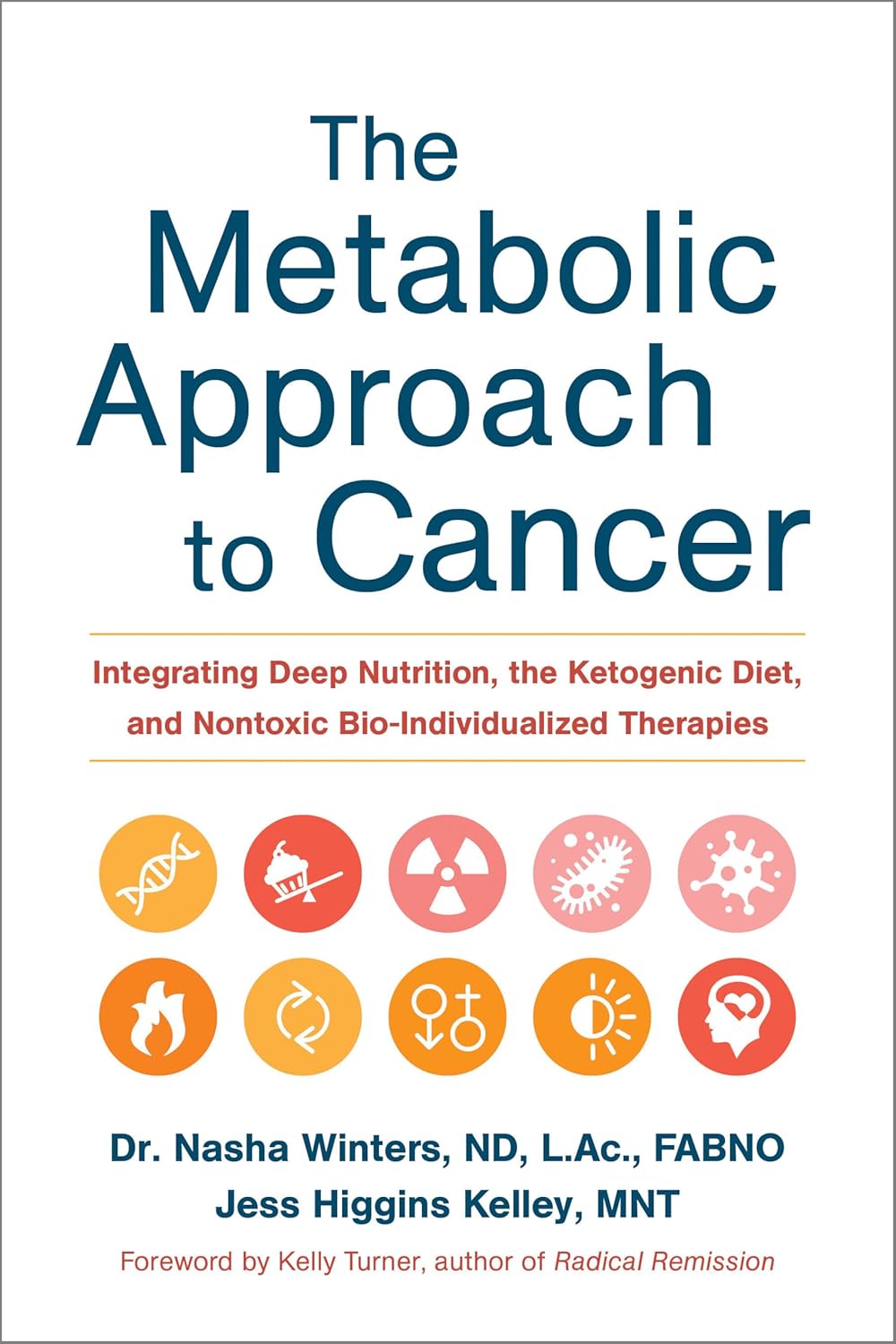
The Metabolic Approach to Cancer by Dr. Nasha Winters, ND, FABNO, and Jess Higgins Kelley presents a comprehensive, integrative framework for understanding and managing cancer as a metabolic and environmental disease rather than solely a genetic one. Published in 2017, this 408-page work synthesizes decades of clinical experience and scientific research to propose a personalized, terrain-focused approach that targets cancer’s metabolic vulnerabilities through nutrition, lifestyle, immune modulation, detoxification, and emotional well-being.
The book challenges the conventional oncology paradigm that centers on tumor genetics and cytotoxic treatments, highlighting that approximately 95% of cancers are linked to diet, lifestyle, and environmental exposures. It advocates for empowering patients to actively participate in their healing by restoring mitochondrial function, optimizing the body’s internal “terrain,” and integrating metabolic therapies alongside standard care.
Intended Audience
This book is primarily aimed at cancer patients, caregivers, integrative oncology practitioners, nutritionists, and health professionals interested in metabolic and functional medicine approaches to cancer. It provides both scientific explanations and practical tools, including questionnaires, dietary protocols, and lifestyle recommendations, making it accessible to motivated patients and clinicians seeking evidence-informed, non-toxic adjuncts to conventional cancer treatment.
Core Concepts and Cancer Context
The foundational premise is that cancer is a metabolic disease rooted in mitochondrial dysfunction, not merely a genetic mutation disorder. The authors draw heavily on the metabolic theory of cancer, originally described by Otto Warburg, which explains how damaged mitochondria cause cells to shift energy production from oxygen-based respiration to glucose fermentation (the Warburg effect). This metabolic shift fuels cancer cell proliferation and survival.
Multiple factors contribute to mitochondrial damage, including viruses (e.g., HPV), bacteria (e.g., H. pylori), toxins (nicotine, pesticides), radiation, stress, and poor diet. The book emphasizes that cancer arises from a disrupted internal environment or “terrain,” composed of interconnected biological systems that influence tumor development and progression.
The authors identify ten key elements of this terrain:
- Genetic, epigenetic, and nutrigenomic modifications
- Blood sugar balance
- Toxic burden management
- Microbiome balance and repopulation
- Immune system maximization
- Modulating inflammation and oxidative stress
- Enhancing circulation while inhibiting angiogenesis and metastasis
- Hormone balance
- Stress and circadian rhythm regulation
- Mental and emotional well-being
These elements are deeply interconnected; imbalance in one can promote cancer progression by affecting others. The metabolic approach treats the whole person and their terrain rather than focusing solely on tumor destruction.
Genetics, Epigenetics, and Nutrigenomics
The book explains that while inherited genetic mutations account for only 5-10% of cancers, gene expression is profoundly influenced by epigenetic factors such as diet, environment, and stress. Epigenetics involves mechanisms like DNA methylation that regulate gene activity without altering DNA sequences.
Nutrigenomics studies how nutrients modulate gene expression, with certain foods (dark leafy greens, cruciferous vegetables, folate-rich foods, tea polyphenols) exerting anticarcinogenic effects through epigenetic pathways. The authors highlight the importance of methyl-donor nutrients (folate, vitamin B12, choline, betaine) for DNA repair and methylation, noting that common genetic polymorphisms (e.g., MTHFR SNP) can impair these processes and increase cancer risk.
The book critiques the limitations of genetic testing and precision medicine, emphasizing that focusing solely on tumor mutations neglects the underlying metabolic and environmental causes of cancer. It also discusses the negative impact of modern diets high in processed foods, sugar, grains, and genetically modified organisms (GMOs) on genetic and epigenetic health.
Protein quality and preparation are addressed, underscoring the need for complete animal proteins (preferably organic, pasture-raised) and cautioning against high-heat cooking methods that produce carcinogens. Vegetarian and vegan diets are discussed with attention to their potential limitations in protein completeness and suitability based on individual genetics.
A major focus is the role of sugar and carbohydrate metabolism in cancer. Cancer cells consume glucose at rates up to 50 times higher than normal cells, relying on anaerobic glycolysis due to mitochondrial dysfunction. Elevated blood sugar and insulin promote tumor growth, metastasis, and resistance to therapy.
The authors detail the dramatic increase in sugar consumption in modern diets, including high-fructose corn syrup and processed foods, and caution against alternative sweeteners like agave nectar and sugar alcohols due to their metabolic and toxic effects.
The ketogenic diet, characterized by high fat, moderate protein, and very low carbohydrate intake (typically under 20-50 grams per day), is presented as a powerful metabolic therapy. By shifting energy metabolism from glucose to ketones, it starves cancer cells while supporting healthy cells. Benefits include reduced angiogenesis, restored apoptosis, tumor DNA destabilization, and enhanced efficacy of chemotherapy and radiation with fewer side effects.
The book provides detailed macronutrient tables, food lists, and guidance on achieving therapeutic ketosis, including monitoring ketone and glucose levels. Calorie restriction and fasting-235-books.html">intermittent fasting are also discussed as adjunctive metabolic therapies that improve insulin sensitivity, reduce inflammation, and protect normal cells.
Carcinogens, Detoxification, and Toxic Burden
The authors emphasize the pervasive exposure to environmental carcinogens—synthetic chemicals, pesticides, heavy metals, plastics, personal care products, and even some cancer treatments—that damage mitochondria, disrupt hormones, suppress immunity, and increase cancer risk.
Specific sources of carcinogens include:
- Personal care products containing formaldehyde, coal tar, and other carcinogens
- Feminine hygiene products contaminated with glyphosate and dioxins
- Clothing and textiles treated with flame retardants and toxic dyes
- Indoor air pollutants such as radon, benzene, and volatile organic compounds
- Processed meats with synthetic additives and nitrites
- Medications and injections containing carcinogenic substances
- Radiation exposure from medical imaging and sunlight
- Electromagnetic fields (EMFs) from cell phones and wireless devices
Detoxification is presented as a vital, ongoing process involving liver phase 1 and phase 2 enzymatic pathways, supported by adequate nutrition (protein, B vitamins, antioxidants, sulfur-containing foods) and lifestyle measures such as sauna, hydration, exercise, and bowel cleansing. Genetic polymorphisms affecting detox enzymes are discussed, underscoring the need for personalized approaches.
The book advocates for gradual removal of toxic products from the home and environment, use of natural alternatives, and frequent detox protocols to reduce toxic load and support cancer therapy.
The Microbiome and Immune Function
The human microbiome, especially the gut microbiota, is described as a critical organ influencing cancer susceptibility, immune regulation, inflammation, metabolism, and genomic stability. Dysbiosis—microbial imbalance—is linked to cancer and numerous chronic diseases.
Factors damaging the microbiome include cesarean delivery, lack of breastfeeding, low-fiber/high-sugar diets, antibiotics, excessive hygiene, and certain medications. The authors emphasize restoring microbiome health through fiber-rich, phytonutrient-dense diets, fermented foods, probiotics, and lifestyle modifications.
Immune function is explored in depth, highlighting the roles of innate and adaptive immunity, the importance of vitamin D for T cell activation, and the impact of nutrient deficiencies (vitamins A, C, D, selenium, zinc) on immune competence. The book discusses immune evasion by cancer cells and the importance of balancing T helper cell subsets (Th1/Th2).
Integrative immune therapies such as mistletoe, medicinal mushrooms, forest bathing, and hydrotherapy are presented as supportive modalities. The authors caution that conventional treatments often suppress immunity and that nutritional and lifestyle support is essential during and after cancer therapy.
Inflammation, Oxidative Stress, and Cancer Progression
Chronic inflammation and oxidative stress are described as a self-perpetuating cycle driving cancer development and progression. Modern diets high in omega-6 fatty acids and low in antioxidants exacerbate this cycle.
The book explains the imbalance between pro-inflammatory omega-6 and anti-inflammatory omega-3 fatty acids, the role of enzymes delta-5 and delta-6 desaturases, and the negative effects of processed and hydrogenated oils. It critiques pharmaceutical anti-inflammatories for their side effects and limited scope.
Natural anti-inflammatory and antioxidant compounds are emphasized, including flavonoids (apigenin, luteolin, quercetin), curcumin, frankincense, and dietary sources rich in magnesium and polyphenols. The authors address controversies around antioxidant use during chemotherapy, citing evidence that antioxidants do not reduce treatment efficacy and may reduce side effects.
Additional lifestyle interventions such as earthing (direct contact with the earth) are noted for their anti-inflammatory effects.
Cancer Growth, Angiogenesis, and Metastasis
The mechanisms enabling tumor growth beyond a small size—angiogenesis (new blood vessel formation) and metastasis (spread to distant sites)—are detailed. Cancer cells manipulate vascular endothelial growth factor (VEGF) and degrade extracellular matrix to invade tissues.
Blood circulation, viscosity, platelet activation, and coagulation are discussed as factors influencing cancer progression and patient mortality. Nutritional and lifestyle strategies to improve circulation and reduce clotting risk include hydration, exercise, and consumption of anticoagulant plants (e.g., aniseed, cinnamon).
The role of minerals such as copper (which promotes angiogenesis) and iron (which supports tumor proliferation) is examined, with recommendations for monitoring and balancing these elements.
Exercise is strongly advocated for its ability to reduce cancer risk and improve survival, including in metastatic disease.
Natural compounds with anti-angiogenic and anti-metastatic properties are reviewed, including green tea catechins, resveratrol, capsaicin, parsley (apigenin), chaga mushroom, aloe vera, and cartilage/bone broths.
Hormone Balance and Endocrine Disruptors
Hormonal regulation is critical in many cancers, especially breast and prostate. The book discusses the impact of environmental endocrine-disrupting chemicals (EDCs) such as bisphenol-A, phthalates, parabens, and pesticides, which mimic or interfere with natural hormones and increase cancer risk.
Commercial meat and dairy products often contain synthetic growth hormones and recombinant bovine growth hormone (rBGH), elevating IGF-1 levels linked to cancer. The authors recommend organic, hormone-free animal products.
Hormone replacement therapy (HRT) and combined oral contraceptives are classified as carcinogenic, with bioidentical hormones not necessarily safer. Safer contraceptive alternatives and hormone-balancing dietary strategies are presented.
Cruciferous vegetables (rich in indole-3-carbinol and diindolylmethane) modulate estrogen metabolism favorably. Seed cycling protocols, phytoestrogens, and herbs like rosemary and thyme support hormone detoxification and balance.
Testing methods for hormone levels and metabolism (serum, saliva, 24-hour urine) are described to guide personalized interventions.
Stress, Circadian Rhythms, and Mental-Emotional Well-Being
Chronic stress is identified as a major carcinogen that promotes inflammation, immune suppression, angiogenesis, and metastasis. The book explains how stress dysregulates the hypothalamic-pituitary-adrenal (HPA) axis, elevates cortisol, disrupts sex hormone production, and impairs detoxification.
Sleep deprivation and circadian rhythm disruption reduce melatonin, a potent anticancer hormone. Night-shift work and artificial light exposure increase cancer risk. Melatonin supplementation is discussed as an adjunct therapy under medical supervision.
The authors emphasize living in harmony with natural biorhythms, including seasonal eating, sunlight exposure, and stress reduction techniques. Adaptogenic herbs (ginseng, rhodiola, holy basil, ashwaganda) support stress resilience and immune function.
Mental and emotional health is presented as a powerful epigenetic modifier influencing cancer outcomes. Psychological stress, depression, and unresolved emotional issues can undermine treatment and promote recurrence.
The book explores the gut-brain axis, neurotransmitter imbalances, genetic polymorphisms affecting mood, and the role of diet and microbiome in mental health. Mind-body approaches, emotional expression, social connection, and mindful eating are encouraged.
Cannabinoids (CBD and THC) are introduced as emerging therapies for anxiety, depression, and cancer symptom management.
Practical Dietary and Lifestyle Guidance
The final sections focus on actionable steps to implement the metabolic approach in daily life. The authors stress the importance of a joyful, sustainable relationship with food and gradual dietary changes supported by a strong social network.
Kitchen detox strategies include removing toxic and inflammatory foods, avoiding plastics and endocrine disruptors, and using clean cookware and filtered water.
Stocking the kitchen with organic, low-glycemic fruits and vegetables, grass-fed meats, wild fish, fermented foods, nuts, seeds, and healthy oils is recommended. The metabolic diet principles emphasize low-glycemic, ketogenic, nutrient-dense, and seasonal foods tailored to individual genetics and cancer types.
A three-tiered approach to carbohydrate reduction is outlined:
- Tier 1: Remove white sugar and white flour
- Tier 2: Remove gluten-containing grains
- Tier 3: Adopt a Paleo-type, low-glycemic, nutrient-dense diet
Cooking practices favor low-heat methods and use of anticancer herbs and spices. Sample recipes aligned with each terrain element are provided to support practical application.
Authors’ Background and Approach
Dr. Nasha Winters is a naturopathic oncologist with over 25 years of clinical experience, specializing in integrative cancer therapies including mistletoe, ketogenic diet, and hyperthermia. Jess Higgins Kelley is an oncology nutrition therapist and educator with expertise in metabolic nutrition consulting. Their combined clinical insights and research underpin the book’s integrative, patient-empowering philosophy.
Strengths and Contributions
- Comprehensive integration of metabolic theory, nutrition science, immunology, detoxification, and psychosocial factors in cancer care.
- Clear explanation of complex biochemical and physiological concepts accessible to patients and clinicians.
- Practical tools such as the Terrain Ten questionnaire to assess individual risk factors and guide personalized interventions.
- Emphasis on patient empowerment and active participation in healing.
- Extensive coverage of environmental carcinogens and strategies to reduce toxic burden.
- Detailed dietary protocols with attention to food quality, preparation, and sustainability.
- Inclusion of emotional and mental health as integral to cancer management.
Limitations and Cautions
The authors acknowledge that the metabolic approach complements but does not replace conventional cancer treatments. Individualized assessment and professional guidance are essential, especially when implementing ketogenic diets, fasting, or immunotherapies. Some therapies discussed (e.g., mistletoe, hyperthermia) require specialized practitioners and may not be widely accessible. The book cautions against uncritical use of supplements and emphasizes the need for testing and monitoring.
Utility for Cancer-Options Reference Database
This book is a valuable resource for patients and practitioners seeking a holistic, evidence-informed metabolic framework for cancer prevention and adjunctive treatment. It offers a broad, terrain-centric perspective that addresses multiple interconnected biological systems influencing cancer. The detailed explanations, practical protocols, and emphasis on patient empowerment make it a key reference for integrative oncology nutrition and lifestyle interventions. Its coverage of environmental toxins, immune modulation, hormone balance, and emotional well-being enriches the database’s scope beyond conventional biomedical models.