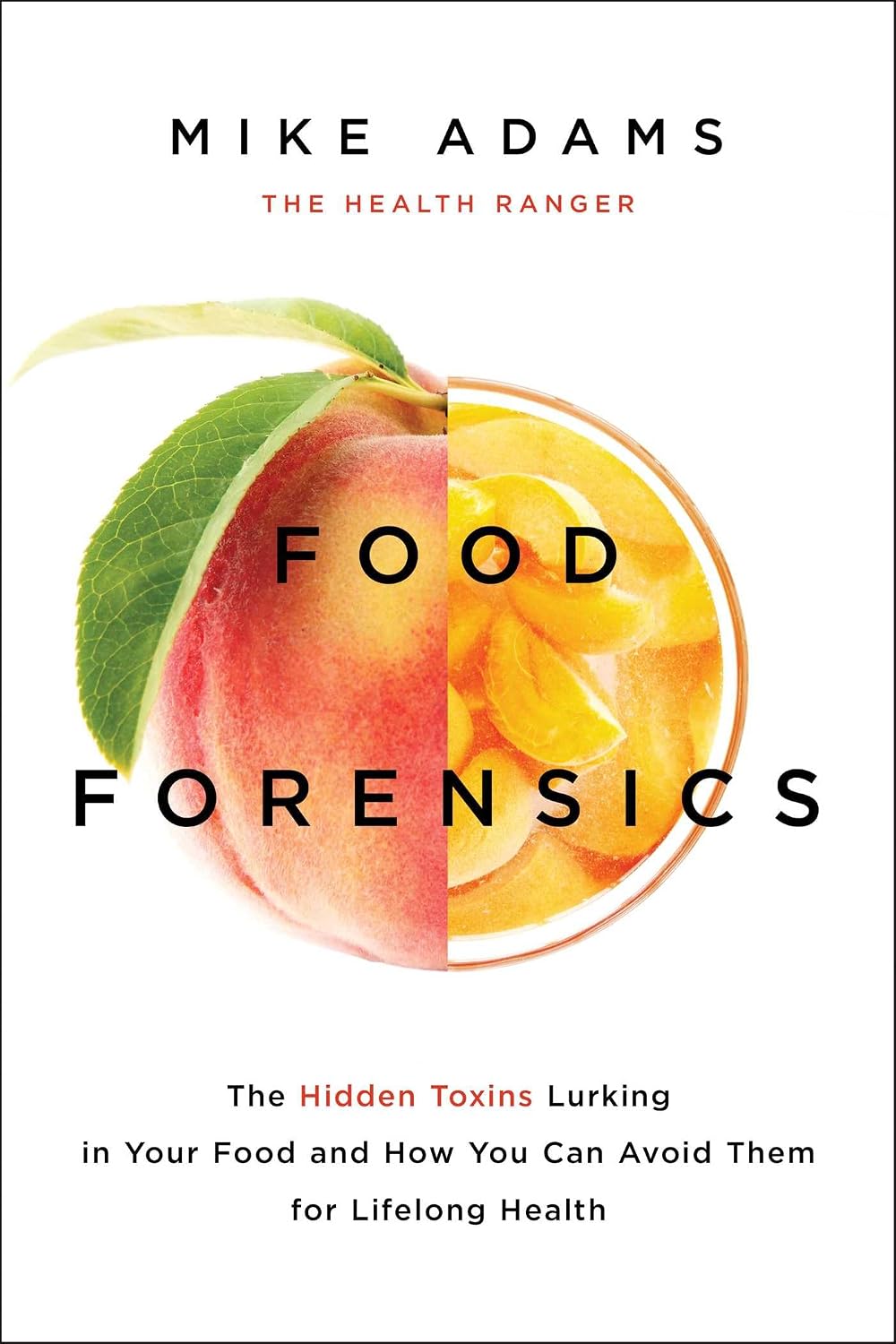
Food Forensics: The Hidden Toxins Lurking in Your Food and How You Can Avoid Them for Lifelong Health
Author: Mike Adams, the Health Ranger
Publication Year: 2016
Page Count: 392
Food Forensics is a comprehensive investigative work exposing pervasive contamination of foods, supplements, and consumer products with toxic heavy metals and chemical pollutants. Authored by Mike Adams, a food scientist and founder of an ISO-accredited analytical laboratory, the book combines rigorous scientific testing with detailed analysis of contamination sources, health impacts, regulatory failures, and natural detoxification strategies. It aims to empower consumers, caregivers, clinicians, and public health advocates with knowledge and tools to reduce toxic exposures and promote lifelong health.
Scope and Purpose
The book’s primary focus is on the detection and implications of toxic heavy metals—such as lead, mercury, cadmium, arsenic, aluminum, copper, and tin—in foods, dietary supplements, pet products, and personal care items. Using advanced ICP-MS (Inductively Coupled Plasma Mass Spectrometry) technology, Adams’ laboratory conducted extensive testing revealing alarming contamination levels in many popular “health” foods, superfoods, and vegan proteins. The work critiques regulatory agencies like the FDA and USDA for inadequate oversight and regulatory capture by industry interests, which have allowed widespread contamination to persist largely unchallenged.
Beyond heavy metals, the book also addresses chemical contaminants including pesticides (glyphosate, organophosphates, neonicotinoids), food additives (artificial colors, preservatives, emulsifiers), and molecularly altered foods (hydrogenated fats, homogenized milk). It discusses their health risks, including carcinogenicity, endocrine disruption, neurotoxicity, and immune dysfunction, with particular attention to cancer and chronic disease contexts.
Importantly, the book offers guidance on natural detoxification methods, lifestyle modifications, and defensive eating strategies to reduce body burdens of toxins. It serves as a resource for consumers seeking safer food choices, clinicians advising patients on environmental exposures, and caregivers supporting vulnerable populations.
Intended Audience
This book is targeted at a broad audience concerned with food safety and environmental health, including:
- Consumers interested in understanding and avoiding toxic contaminants in foods and supplements.
- Health professionals and clinicians seeking scientific data on heavy metals and chemical toxins relevant to chronic disease and cancer risk.
- Caregivers and patients looking for natural detoxification strategies and lifestyle interventions.
- Public health advocates and researchers focused on regulatory reform and food safety transparency.
Introduction
Mike Adams introduces the book by describing the establishment of his food forensics laboratory, which uses ISO 17025-accredited ICP-MS protocols to detect and quantify heavy metals in a wide range of consumer products. The lab’s findings reveal widespread contamination with toxic metals such as lead, cadmium, tungsten, mercury, and arsenic in popular vegan proteins, superfoods, herbs, and pet treats. Many manufacturers deny or downplay contamination, often attributing it to “naturally occurring” sources or suppressing public disclosure to protect sales.
The author highlights the regulatory vacuum in the United States, where the FDA and USDA lack official heavy metals limits for foods and supplements, partly due to industry influence. To address this gap, Adams developed voluntary heavy metals limits and a grading system (ranging from A+++ to F) to guide consumers and manufacturers, available at lowheavymetalsverified.org.
The introduction sets the tone for the book’s mission: to break the conspiracy of silence around food contamination, expose systemic failures in food safety oversight, and empower consumers with scientific truth to protect their health.
PART 1: Everything You Need to Know About Toxic Elements (pages 100–185)
Heavy Metals Overview
This section provides an in-depth examination of heavy metals as persistent environmental toxins introduced and concentrated by industrial activity. Key metals discussed include mercury, lead, cadmium, arsenic, aluminum, copper, tin, tungsten, chromium, and beryllium.
These metals bioaccumulate in air, water, soil, plants, animals, and humans, entering the food chain and causing chronic low-level exposure. The health consequences are extensive, including inflammation, immune dysfunction, neurological damage, organ failure, cancer, cardiovascular disease, diabetes, and developmental disorders.
Heavy metals disrupt biological processes by mimicking essential minerals, interfering with enzyme function, DNA methylation, and cellular waste excretion. They act as co-carcinogens, increasing mutation rates and cancer risk. Epigenetic effects are emphasized, with heavy metals causing inheritable gene expression changes that negatively impact future generations’ health, fertility, and cognitive function.
The contamination cycle is worsening globally, threatening human sustainability. Immune system impairment is highlighted, with lead disrupting DNA methylation in white blood cells, weakening immune defense.
Detoxification and Cautions
Natural detoxification involves eliminating exposure and supporting the body’s gradual removal of metals. Chelation therapy using agents like DMSA, DMPS, and BAL can remove metals but requires qualified clinical supervision due to risks of redistributing toxins. The book warns against unproven supplements claiming rapid heavy metals removal, noting some, like powdered zeolites, may contain high lead and aluminum, increasing exposure.
Certain foods (cilantro, chlorella, lemons, garlic) and compounds (citrate, cysteine, EDTA) have mild chelating or antioxidant properties. Sweating through exercise or infrared saunas effectively removes heavy metals, while sedentary lifestyles contribute to accumulation and related diseases.
The author stresses the urgent need to reduce heavy metals in foods and personal care products to protect public health and reduce chronic disease burden.
Animal Feed Contaminants (pages 185–200)
Animal feed contamination is identified as a major source of toxins entering the human food chain. Factory-farmed meats (beef, poultry, fish) are frequently contaminated due to feed additives, waste runoff, and use of growth hormones. The feed is primarily corn and soy, mostly genetically modified and pesticide-laden, with Bt crops producing their own pesticides and higher lignin content, reducing digestibility.
Livestock consuming contaminated feed bioaccumulate toxins, hormones, drugs, and pathogens, which then enter the human food supply. The meat industry’s consolidation leads to low transparency about feed and treatment practices, creating “nutritional roulette” for consumers. Regulatory failures and scandals highlight inadequate safety oversight. Alternatives such as organic certification and pasture-raised meats are discussed as safer options.
PART 2: The Health Ranger’s Guide to Natural Detoxification (pages 201–231)
Overview and Regulatory Context
This section advocates for nationwide standardized testing of foods for toxic metals with enforceable concentration limits. It reviews international heavy metal limits set by agencies such as EPA, FDA, USP, WHO, EU, and California Proposition 65, noting variability and gaps in regulation.
Arsenic
Arsenic is detailed as a carcinogen linked to multiple cancers, diabetes, heart disease, neurological impairment, and infant mortality. It exists in organic (less harmful) and inorganic (toxic) forms. Arsenic contamination affects over 137 million people globally, notably in Bangladesh and India, primarily through contaminated drinking water.
Sources include historical pesticide use (lead arsenate, calcium arsenate, Paris Green), fertilizers, industrial runoff, and chromated copper arsenic (CCA) pressure-treated wood. Residues persist in soils and crops decades after pesticide bans. Animal feed additives containing arsenic compounds promote growth but contribute to contamination. Coal burning and poultry manure further disperse arsenic into the environment.
Treatments for arsenic poisoning include chelation agents (BAL, DMPS, DMSA), selenium, and garlic. Natural arsenic binders such as powdered fruit seeds, sodium alginate, and seaweed powders are identified, with dietary supplements developed to reduce arsenic absorption.
Mercury
Mercury toxicity and exposure are extensively covered. Mercury exists in elemental, inorganic, and organic forms, with environmental contamination arising from mining, dental amalgams, coal burning, and consumer products like thermometers, batteries, CFL bulbs, and vaccines (thimerosal preservative).
Dental amalgams contain ~50% elemental mercury and release mercury vapor, linked to neurological, reproductive, and behavioral disorders. Despite evidence, the American Dental Association maintains amalgams are safe, while the EU and Canada have banned mercury in cosmetics and dental products.
Mercury bioaccumulates in fish, especially large predatory species, posing dietary risks. Ethylmercury (in thimerosal) is more toxic intracellularly than methylmercury. High-fructose corn syrup (HFCS) contamination with mercury from chlor-alkali plants is documented, with HFCS consumption linked to obesity, diabetes, and cardiovascular disease.
Detoxification strategies include consumption of mercury-binding foods (strawberries, chlorella, seaweeds), sulfur-containing amino acids, selenium, garlic, and chelation therapy under professional supervision. Sweating and antioxidant support are also recommended.
Lead
Lead is a toxic heavy metal with no biological function, historically used in pipes, paint, gasoline, and cosmetics. Lead exposure disrupts calcium, iron, and zinc absorption and accumulates in bones, affecting neurodevelopment, cardiovascular health, and reproduction. Children are especially vulnerable.
Lead contamination is found in cereals, infant formulas, candy, and drinking water. Nutritional interventions (vitamins B1, B6, C, E, garlic oil, quercetin, alpha-lipoic acid, turmeric) and chelation therapies (DMSA) help reduce toxicity. Seaweed-derived ion-exchange binders show high efficacy in binding lead during digestion.
Cadmium
Cadmium toxicity arises from mining, industrial sources, and fertilizers, contaminating soil and crops including organic produce. It accumulates in liver, kidneys, and vascular system, disrupting DNA repair and mitochondrial function. Tobacco and rice are major sources. Cadmium is a reproductive toxin linked to bone demineralization and teratogenicity (e.g., Itai-Itai disease).
Spirulina shows protective effects against cadmium-induced fetal abnormalities. Cadmium is detected in sea vegetables, cereals, superfruit powders, spices, rice protein, and vitamins.
Aluminum
Aluminum is abundant in the environment and consumer products but has no biological role. Industrial pollution and acid rain increase its bioavailability. Aluminum accumulates in plants, animals, and humans, crossing blood-brain and placental barriers. It is linked to dialysis encephalopathy, dementia, and possibly Alzheimer’s disease.
Infant formulas, especially soy-based, contain high aluminum levels. Aluminum compounds are used as food additives, in cosmetics, and as vaccine adjuvants, raising neurotoxicity concerns. Chelation therapy, malic acid, and chlorella may reduce aluminum levels. Avoidance of aluminum-containing products is recommended.
Copper
Copper is an essential trace element but can be toxic in excess, often due to high-dose multivitamins. Excess copper impairs thyroid, liver, kidney, and brain function and is linked to autoimmune disorders, reproductive issues, and neurological conditions including anxiety, depression, and autism. Copper and zinc compete for absorption; imbalance leads to health problems.
Copper chelators like D-penicillamine and molybdenum compounds reduce copper levels. Sulfur-rich foods help block copper retention. High copper levels are found in many supplements.
Tin
Tin has low toxicity in inorganic form but organic tin compounds are neurotoxic. Tin accumulates in seafood and canned foods, with exposure linked to liver damage and neurological issues. Quercetin may chelate tin. Testing for tin contamination is limited.
Chemical Contaminants
The book reviews chemical contaminants including:
- Bisphenol A (BPA): An endocrine disruptor found in plastics and can linings, linked to reproductive problems, developmental issues, autism, diabetes, obesity, cancer, and heart irregularities. BPA exposure is widespread; alternatives may also leach estrogenic chemicals.
- Hexane: A neurotoxic solvent used in oil and protein extraction, leaving residues in many processed foods including infant formulas. Regulatory oversight is lacking.
- Pesticides: Extensive use of glyphosate, organophosphates, neonicotinoids, and others is linked to endocrine disruption, neurotoxicity, cancer, and ecological harm. Regulatory agencies face challenges in enforcement.
- Aspartame: An artificial sweetener linked to neurological, endocrine, and carcinogenic effects. Controversial approval process and ongoing safety debates.
- Monosodium Glutamate (MSG): A flavor enhancer acting as an excitotoxin, linked to neuronal damage, obesity, reproductive issues, and behavioral symptoms. Industry suppression of toxicity data is discussed.
- Artificial Colors: Petrochemical-derived dyes linked to hyperactivity, allergies, and carcinogenicity. EU requires warning labels; FDA maintains approval without warnings.
- Chemical Preservatives: Benzoates, parabens, TBHQ, BHA, BHT, sulfites, and others are associated with allergic reactions, endocrine disruption, genotoxicity, and behavioral effects.
- Emulsifiers and Thickeners: Carrageenan, polysorbate 80, soy lecithin, and others may cause gastrointestinal inflammation, metabolic disturbances, and immune effects.
- Molecularly Altered Foods: Homogenized milk and hydrogenated fats are linked to cardiovascular disease and inflammation.
Detoxification Strategies
Detoxification is presented as a natural, ongoing biological process involving the liver, kidneys, lungs, and skin. Effective detox focuses on:
- Avoidance: Eliminating exposure to toxic chemicals in food, water, personal care, and household products.
- Support: Hydration, physical activity (promoting lymph circulation and sweating), and consumption of herbs (yarrow, dandelion), superfoods (chlorella), and nutrient-rich foods to support liver and kidney function.
- Defensive Eating: Consuming chlorella, fiber, and fresh fruits/vegetables alongside potentially contaminated meals to bind toxins.
- Lifestyle: Improving indoor air quality, water filtration, and living away from urban pollution.
- Supplementation: Use of natural chelators and antioxidants such as garlic, selenium, sulfur-containing amino acids, and specialized products like Heavy Metals Defense.
- Sweating Therapies: Infrared saunas and exercise to promote heavy metal elimination through sweat.
Detox should be gradual and consistent, avoiding suffering or adverse reactions. Professional guidance is recommended for chelation therapies.
PART 3: The Data (pages 211–285)
Heavy Metal Contamination Data
This section presents extensive quantitative data from the author’s laboratory testing of over 800 foods, supplements, spices, protein powders, beverages, fast food items, personal care products, and pet foods. Heavy metals analyzed include lead, cadmium, arsenic, mercury, aluminum, magnesium, copper, zinc, and others.
A detailed grading system rates products from A+++ (lowest contamination) to F (worst contamination), with specific thresholds for each metal. For example, lead levels below 0.025 ppm earn an A+++, while levels above 2.0 ppm receive an F.
Data tables cover a wide range of categories:
- Organic and conventional produce (cilantro, parsley, lettuce, avocado, berries, carrots, potatoes, tomatoes)
- Breakfast cereals (Cap’n Crunch, Froot Loops, Frosted Mini-Wheats)
- Teas, spices (including Indian spices), grains, candy bars, pastries, soups
- Seafood and fish (dried shrimp, bonito, squid, pollack)
- Superfoods (sea vegetables, maca root, alfalfa leaf, chia seeds, chlorella, spirulina)
- Nut and seed oils and spreads (coconut oil, sunflower seed spread, almond butter)
- Protein powders (rice protein, greens blends)
- Supplements and vitamins (iodine, ginkgo biloba, liquid minerals, children’s vitamins)
- Personal care products (skin whitening creams, mascara, tattoo inks)
- Pet foods and treats
- Cigarettes and fast food restaurant items (McDonald’s, Burger King, Jack in the Box, Wendy’s, Domino’s, Taco Bell)
The data reveal variable contamination levels, with some superfoods and sea vegetables showing high mineral content but also elevated heavy metals. Product formulations can change over time; ongoing testing is available online at labs.naturalnews.com.
Additional Chemical Contaminant Data
Extensive endnotes provide scientific references supporting the presence and health effects of chemical contaminants such as pesticides, herbicides, persistent organic pollutants, artificial colors, preservatives, emulsifiers, and food additives. The data highlight regulatory challenges, industry influence, and the need for consumer vigilance.
About the Author (pages 286–287)
Mike Adams, known as the “Health Ranger,” is an award-winning investigative journalist turned food scientist. He founded and directs an ISO-accredited analytical laboratory specializing in testing foods for heavy metals, pesticides, herbicides, and chemical contaminants. Adams is a member of the Association of Analytical Communities and an expert in ICP-MS and LC/MS instrumentation.
He has developed patented dietary formulations aimed at eliminating heavy metals and radioactive contaminants. His research is privately funded and independent of government or academic grants. Adams edits NaturalNews.com, focusing on food science and clean-food activism. His laboratory website is CWClabs.com, and his personal site is HealthRanger.com.
Acknowledgments (page 288)
The book’s production involved over a dozen contributors. Special thanks are extended to family, friends, and publishing staff. The author dedicates the work to his late father, who inspired his technological and scientific path. The acknowledgments recognize the mystery and complexity of nature and science.
Endnotes and References (pages 289–373)
The book includes extensive scientific references supporting its data and claims. These encompass toxicity thresholds and health effects of heavy metals, studies on genetic and epigenetic effects, research on chelation therapies and natural detox agents, environmental contamination pathways, and regulatory standards and controversies.
References include government agencies (EPA, CDC, FDA), peer-reviewed journals, scientific databases, and credible news sources. The endnotes provide a rigorous scientific foundation for the book’s findings and recommendations.
Notable Strengths
- Use of advanced, accredited ICP-MS testing provides high accuracy and repeatability in detecting heavy metals.
- Comprehensive coverage of multiple toxic elements and chemical contaminants with detailed data tables.
- Integration of scientific research with practical detoxification and lifestyle guidance.
- Critical analysis of regulatory failures and industry practices, promoting consumer empowerment.
- Extensive referencing and transparency in methodology and data presentation.
Limitations and Cautions
- ICP-MS results naturally vary within ±10–20%; data represent snapshots from 2013–2016 and may not reflect current contamination levels.
- Voluntary heavy metals limits are not federally enforced and may be subject to corporate dishonesty.
- Detoxification supplements and protocols vary in efficacy and safety; professional guidance is essential.
- Some controversies remain regarding causality of certain contaminants (e.g., aluminum, BPA) in chronic diseases.
- The book’s critical stance may provoke denial or legal pushback from industry and regulatory bodies.
Usefulness in Cancer-Options Reference Database
Food Forensics offers valuable insights into environmental and dietary exposures to carcinogenic heavy metals and chemical toxins. Its detailed data on contamination levels in foods and supplements can inform cancer prevention strategies and risk assessments. The book’s discussion of epigenetic effects and co-carcinogenic roles of heavy metals is relevant to understanding cancer etiology. Detoxification protocols and lifestyle recommendations provide adjunctive approaches for reducing toxic burdens in cancer patients and survivors. The critical evaluation of regulatory gaps supports advocacy for safer food systems, aligning with integrative oncology goals.