
Oct 4, 2014
YouTube 58:59
Video
Variables that Impact the Clinic Effectiveness of IVC in Cancer Care
Variables that Impact the Clinic Effectiveness of IVC in Cancer Care
Description
Overview
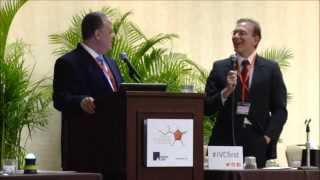
This video features Dr. Michael Gonzalez and Dr. Jorge Miranda-Massari presenting at the Riordan Clinic symposium on the variables that impact the clinical effectiveness of high-dose intravenous vitamin C (IVC) in cancer treatment. They provide a detailed discussion on the biochemical mechanisms of vitamin C, its pharmacokinetics, safety profile, and how it can be integrated with other therapies to improve cancer patient outcomes.
Introduction and Context
Drs. Gonzalez and Miranda-Massari introduce themselves as long-time collaborators with the Riordan Clinic and contributors to the field of orthomolecular medicine. They emphasize the importance of rethinking cancer treatment approaches, highlighting that despite advances in conventional therapies, cancer death rates have not significantly improved over the past 50 years. They challenge the prevailing genetic mutation model of cancer, proposing instead that cancer is primarily a metabolic disease characterized by low oxygen levels, increased glycolysis, and lactic acid production.
Vitamin C’s Biochemical Role in Cancer Therapy
The presenters explain that vitamin C (ascorbate) is chemically similar to glucose and uses the same cellular transporters, which affects its uptake by cancer cells. This similarity means that glucose levels in the body can compete with vitamin C for entry into cells, influencing the effectiveness of IVC therapy. High-dose intravenous administration achieves plasma concentrations that cannot be reached orally due to gastrointestinal absorption limits, enabling vitamin C to act as a pro-oxidant at these high levels.
They describe vitamin C’s dual role as an oxidation-reduction agent: at low doses, it acts as a powerful antioxidant, while at high doses, it exhibits pro-oxidant properties that generate hydrogen peroxide. This hydrogen peroxide production is a key mechanism for selectively killing cancer cells, which often have low catalase levels, making them vulnerable to oxidative damage. Normal cells, with higher catalase activity, are protected from this effect.
Pharmacokinetics and Administration Strategies
The speakers discuss the pharmacokinetics of vitamin C, noting that oral administration is limited by saturation of absorption in the gastrointestinal tract, preventing plasma levels from reaching the millimolar concentrations needed for anticancer effects. Intravenous administration bypasses this limitation, allowing for much higher plasma concentrations.
They emphasize the importance of dosing schedules, recommending IVC administration at least three times per week with rest days in between. This spacing prevents vitamin C recycling, which could reduce hydrogen peroxide production and thus therapeutic efficacy. The hypoglycemic effect of vitamin C is also discussed as a beneficial factor that can enhance vitamin C uptake by cancer cells by reducing glucose competition, though it requires careful monitoring to avoid adverse effects.
Synergistic Therapies and Mitochondrial Correction
Drs. Gonzalez and Miranda-Massari introduce the concept of mitochondrial correctors—nutrients such as coenzyme Q10, lipoic acid, acetyl-L-carnitine, phospholipids, and magnesium—that may restore mitochondrial function in cancer cells. They propose that restoring mitochondrial function could promote cancer cell differentiation or apoptosis, thereby enhancing the efficacy of vitamin C therapy.
They also discuss adjunct oxygenation therapies, including hyperbaric oxygen and ozone therapy, which may improve tumor oxygenation and thus increase the effectiveness of IVC by facilitating hydrogen peroxide formation.
Clinical Outcomes and Patient Benefits
The presenters report clinical observations that IVC can reduce tumor growth, improve quality of life, decrease side effects of chemotherapy and radiotherapy, and enhance appetite and energy levels in cancer patients. While acknowledging that IVC alone may not cure cancer, they highlight its value as a safe adjunct or alternative therapy, especially for patients who cannot or choose not to undergo conventional treatments.
They share anecdotal evidence and case studies demonstrating tumor response and symptom improvement, emphasizing the consistent enhancement of patient well-being as a key benefit of IVC therapy.
Safety Profile and Contraindications
Safety is a major focus of the presentation. The speakers note that high-dose IVC has been administered for over 30 years with minimal serious adverse events, supported by thousands of doses and multiple studies. They address common concerns such as kidney stone formation, stating that scientific evidence does not support a causal link between vitamin C and kidney stones in most patients, including those with impaired kidney function.
They caution monitoring patients with glucose-6-phosphate dehydrogenase (G6PD) deficiency, renal impairment, or other specific conditions. Minor side effects such as thirst and nausea are mentioned, but overall the safety profile is described as remarkable.
Challenges in Research and Future Directions
The presenters acknowledge the lack of large randomized controlled trials due to funding and regulatory challenges but argue that existing evidence supports the clinical use of IVC. They advocate for continued research to optimize dosing, identify synergistic combinations, and develop protocols integrating vitamin C with mitochondrial correctors and oxygen therapies.
They emphasize the need to address metabolic and inflammatory factors, reduce toxicities, and manage immune function to improve cancer treatment outcomes. The importance of personalized treatment plans based on patient response and tumor characteristics is also highlighted.
Dietary and Lifestyle Recommendations
The presentation includes general dietary guidance to support cancer therapy and enhance IVC effectiveness. Recommendations include:
- Low intake of refined carbohydrates and sugars to reduce glucose competition with vitamin C
- Consumption of organic, multicolored vegetables and fruits rich in antioxidants
- Use of healthy fats such as extra virgin olive oil, avocado oil, and organic coconut oil
- Avoidance of processed sugars, margarine, partially hydrogenated oils, and corn oil due to their pro-inflammatory effects
- Supplementation with multivitamins, vitamin D (at least 10,000 IU daily), probiotics, and molecularly distilled omega-3 fatty acids
They also mention hydration, physical activity, and detoxification strategies as supportive measures.
Mechanistic Insights and Molecular Considerations
The presenters delve into molecular mechanisms underlying vitamin C’s anticancer effects, including:
- Generation of hydrogen peroxide via oxidation of ascorbate in the presence of oxygen
- Competition between glucose and vitamin C for cellular transporters affecting intracellular vitamin C levels
- Role of catalase enzyme levels in cancer cells determining susceptibility to oxidative damage
- Potential for vitamin C to modulate gene expression and downregulate oncogenic proteins
- Vitamin C’s function as an electron donor supporting cellular energy metabolism
They also discuss the importance of tumor oxygenation and the potential for oxygen therapies to enhance vitamin C’s pro-oxidant activity.
Integration with Conventional Cancer Treatments
The speakers highlight that IVC can be synergistic with chemotherapy and radiotherapy, potentially enhancing their effectiveness while reducing side effects. They note that vitamin C may protect normal tissues from oxidative damage caused by conventional treatments, improving patient tolerance and quality of life.
They caution that vitamin C should not be viewed as a replacement for standard therapies but as a complementary approach that can improve overall outcomes.
Patient Case Examples and Clinical Experience
Throughout the presentation, Drs. Gonzalez and Miranda-Massari share clinical experiences and patient outcomes from their practice and collaborations. They present examples of tumor marker reductions, symptom relief, and improved energy and appetite in patients receiving IVC therapy.
They also discuss variability in patient responses, emphasizing the need for individualized treatment plans and ongoing monitoring.
Contraindications and Precautions
Specific contraindications are reviewed, including:
- Glucose-6-phosphate dehydrogenase (G6PD) deficiency, which can lead to hemolysis with high-dose vitamin C
- Renal impairment requiring careful monitoring due to potential oxalate accumulation
- Patients with a history of oxalate kidney stones, who may be at increased risk but not necessarily caused by vitamin C
They stress the importance of patient screening and informed consent prior to initiating IVC therapy.
Metabolic and Immune Considerations
The presenters discuss the metabolic derangements in cancer cells, including mitochondrial dysfunction and altered energy metabolism. They propose that correcting these abnormalities with mitochondrial nutrients and vitamin C may restore normal cell function or induce apoptosis.
They also address the role of inflammation, immune suppression, and toxic exposures in cancer progression, suggesting that vitamin C’s anti-inflammatory and immune-supportive effects contribute to its therapeutic benefits.
Additional Therapeutic Agents and Protocols
Besides vitamin C and mitochondrial correctors, the presenters mention other agents and approaches under investigation or use, including:
- Dehydroascorbic acid and its role in vitamin C recycling
- Use of sodium bicarbonate to modify pH and potentially enhance vitamin C receptor activity
- Potential use of dichloroacetate (DCA) to improve mitochondrial function, though concerns about toxicity remain
- Ozone therapy and hyperbaric oxygen as adjuncts to improve oxygen delivery and tumor response
Educational and Research Initiatives
The presenters emphasize the need for education among physicians and patients about the evidence supporting IVC therapy. They mention their recent book "Insights on Vitamin C and Cancer," which compiles scientific data, case studies, and protocols to aid clinicians in understanding and applying vitamin C in oncology.
They call for more research, including randomized controlled trials, but stress that current evidence justifies clinical use given vitamin C’s safety and potential benefits.
Summary and Closing Remarks
Drs. Gonzalez and Miranda-Massari conclude by reiterating that high-dose intravenous vitamin C is a safe, low-cost, and effective adjunct in cancer care that improves quality of life and may reduce tumor growth. They advocate for integrating vitamin C with mitochondrial correctors, oxygen therapies, and lifestyle modifications to enhance clinical outcomes.
They dedicate their work to the memory of Dr. Hugh Riordan and other pioneers in orthomolecular medicine, encouraging continued innovation and open-mindedness in cancer treatment research.
Source Information
This content is derived from a 2014 Riordan Clinic symposium presentation titled "Variables that Impact the Clinic Effectiveness of IVC in Cancer Care," featuring Dr. Michael Gonzalez and Dr. Jorge Miranda-Massari. The video is hosted on YouTube and includes a detailed transcript of their lecture. The presenters discuss their clinical experience, relevant scientific literature, and ongoing research related to high-dose intravenous vitamin C in oncology. The information reflects their perspectives and the state of research as of the presentation date, without claims of definitive proof or regulatory approval for cancer treatment.