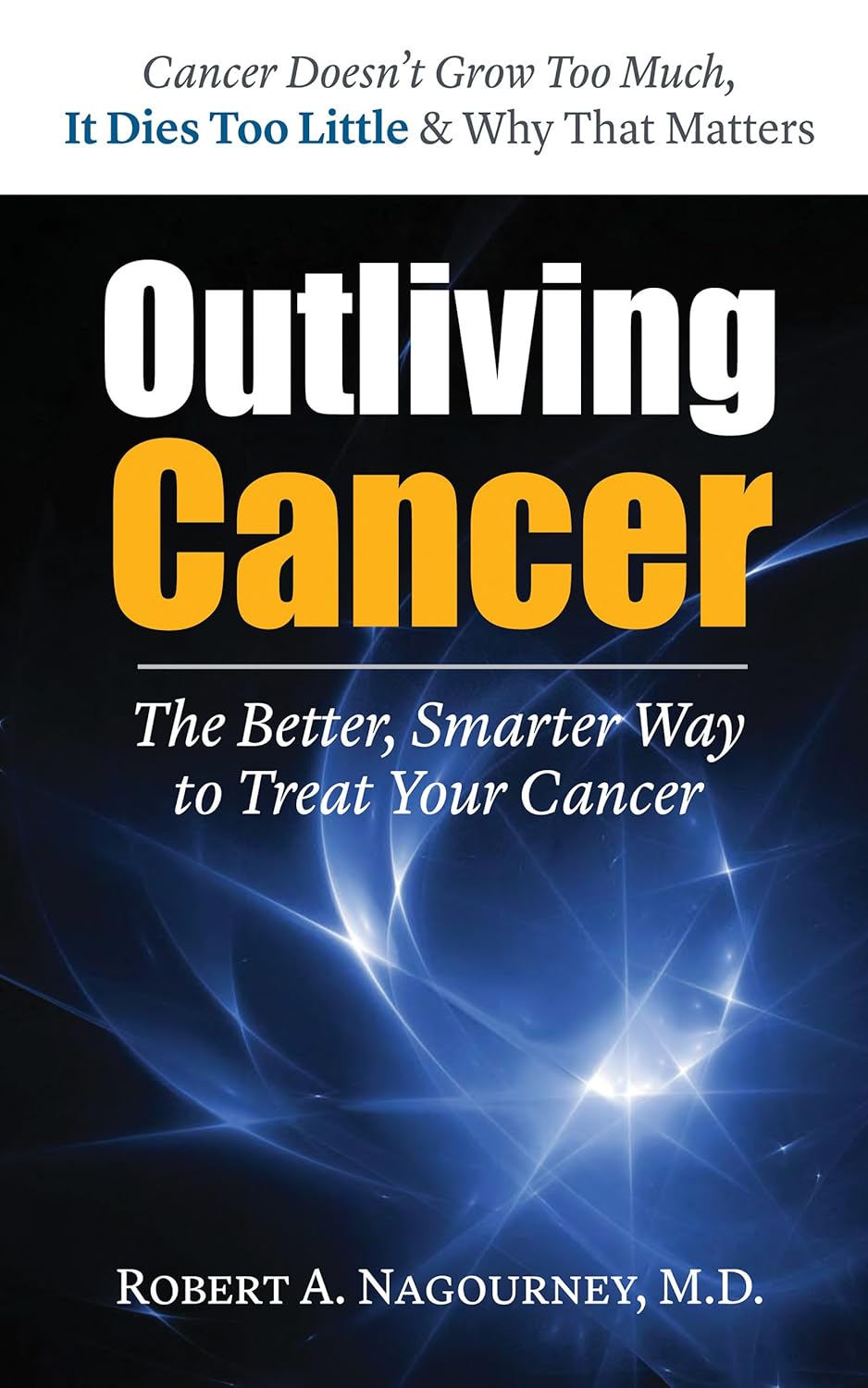
Overview and Purpose
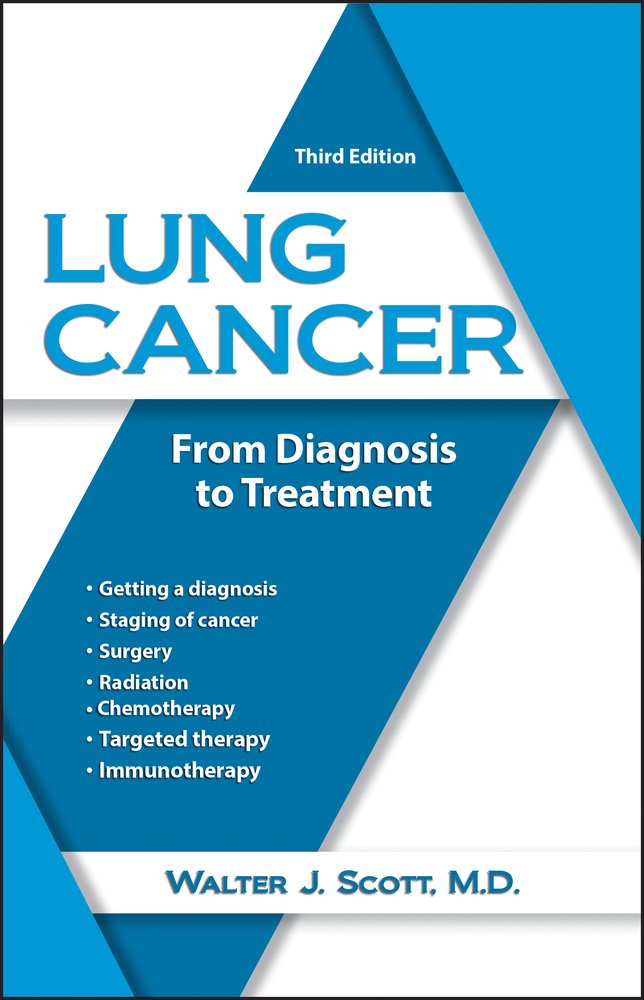
Lung Cancer: From Diagnosis to Treatment by Walter J. Scott, M.D., F.A.C.S., is a comprehensive consumer health resource designed to educate patients, caregivers, and healthcare professionals about lung cancer. The book aims to provide clear, detailed information on the nature of lung cancer, its diagnosis, staging, treatment options, and supportive care, emphasizing the importance of early detection and multidisciplinary management. It serves as a practical guide to understanding the disease process, available therapies, and coping strategies, helping readers navigate the complex journey from diagnosis through survivorship or palliative care.
Intended Audience
This book is primarily intended for lung cancer patients and their families seeking accessible yet thorough information about the disease. It also benefits caregivers and healthcare providers who support patients through treatment and recovery. The language balances medical accuracy with patient-friendly explanations, including a glossary of key terms to aid comprehension. The inclusion of emotional coping strategies and survivorship considerations broadens its appeal to those involved in the holistic care of lung cancer patients.
Understanding Lung Cancer: Biology and Risk Factors
The book begins with an overview of lung cancer’s biological basis, explaining how cancer arises from the cells lining the airways and mucous glands. It details the progression from normal cell hyperplasia to dysplasia and ultimately malignant transformation. Two primary types are described: Non-Small Cell Lung Cancer (NSCLC), which accounts for approximately 80% of cases, and Small Cell Lung Cancer (SCLC), comprising about 13%. Subtypes of NSCLC, such as adenocarcinoma and squamous cell carcinoma, are distinguished by their location and cellular origin.
Risk factors are thoroughly reviewed, with cigarette smoking identified as the leading cause, responsible for 80-90% of lung cancers. Additional contributors include passive smoking, environmental pollutants (radon, asbestos, heavy metals), aging, and hereditary factors, though genetics play a minor role. The book highlights lung cancer as the leading cause of cancer deaths in both men and women in the United States, underscoring the critical need for awareness and early detection.
Symptoms and Diagnosis
Recognizing lung cancer symptoms is challenging, as about 25% of patients are asymptomatic at diagnosis. Common symptoms include persistent cough, hemoptysis (blood in sputum), wheezing, chest pain, hoarseness, neurological signs, and systemic symptoms like weight loss and fatigue. The book stresses that these symptoms can overlap with other conditions, making medical evaluation essential.
Diagnosis relies on a combination of imaging and tissue sampling. Initial imaging typically involves chest X-rays, followed by more detailed CT scans to assess tumor size and lymph node involvement. PET scans evaluate metabolic activity, while MRI is used to detect brain metastases. Sputum cytology may detect cancer cells in mucus but is less definitive.
Biopsy techniques are extensively detailed, including bronchoscopy, navigational bronchoscopy for peripheral tumors, transthoracic needle aspiration (TTNA), mediastinoscopy, endoscopic lymph node biopsy, endobronchial ultrasound-guided biopsy, video-assisted thoracoscopic surgery (VATS), and exploratory surgery if less invasive methods fail. The book also discusses lung cancer screening with low-dose CT scans for high-risk individuals, emphasizing the survival benefit of early diagnosis.
Staging and Its Importance
Staging is presented as a cornerstone of lung cancer management, guiding treatment decisions and prognostication. The book explains clinical staging (based on exams and imaging) and pathological staging (including surgical tissue analysis). It describes the TNM system, which assesses tumor size and extent (T), lymph node involvement (N), and distant metastases (M).
NSCLC is staged from I to IV, with increasing spread from localized tumors to distant metastases. SCLC is categorized as limited (confined to the chest) or extensive (spread beyond the chest). The pathology report’s role in detailing tumor differentiation, lymphovascular invasion, and resection margins is highlighted as critical for personalized treatment planning.
Surgical Treatment
Surgery is a primary treatment modality for selected patients, typically those with early-stage NSCLC and adequate lung function. The book outlines various surgical procedures:
- Pneumonectomy: removal of an entire lung.
- Lobectomy: removal of a lung lobe, the most common surgery.
- Sleeve lobectomy: removal of a lobe plus bronchus segment with reattachment.
- Wedge resection and segmentectomy: removal of smaller lung portions.
Lymphadenectomy (removal of lymph nodes) is performed for staging and disease control. Surgical approaches include traditional thoracotomy (large incision) and minimally invasive techniques such as video-assisted thoracic surgery (VATS) and robotic-assisted surgery, which reduce recovery time and complications.
Postoperative care is emphasized, including chest tube management, prevention of pneumonia through breathing exercises and incentive spirometry, pain control, and gradual return to activity. The book discusses common complications and the typical recovery timeline, along with the importance of emotional support during convalescence.
Radiation therapy is used in about half of lung cancer patients, either as a primary treatment, adjuvant to surgery, or for palliation. The book explains external beam radiation therapy (EBRT) as the standard approach, delivered over several weeks with advanced techniques such as 3D conformal radiation therapy (3D-CRT), intensity-modulated radiation therapy (IMRT), image-guided radiation therapy (IGRT), and stereotactic radiation therapy (SRT). Proton beam therapy is noted as an experimental and costly option.
Brachytherapy, involving placement of radioactive seeds near the tumor via bronchoscopy, is described as a palliative measure for symptom relief. Side effects of radiation, including fatigue, skin irritation, radiation pneumonitis, pulmonary fibrosis, and esophagitis, are covered with guidance on management and monitoring.
The book provides an in-depth overview of systemic therapies:
- Chemotherapy: kills rapidly dividing cells and is used before surgery (neoadjuvant), after surgery (adjuvant), or for advanced disease. It is administered in cycles, often intravenously, with side effects such as fatigue, nausea, neuropathy, infections, and cognitive changes. The importance of blood count monitoring and supportive care is stressed.
- Targeted Therapy: drugs that attack specific genetic mutations in cancer cells (e.g., ALK, EGFR, BRAF, ROS1). These therapies, suitable for about 15-20% of NSCLC patients, generally have milder side effects and can significantly prolong survival. Examples include afatinib, alectinib, erlotinib, and osimertinib.
- Immunotherapy: enhances the immune system’s ability to fight cancer by blocking inhibitory proteins like PD-L1. About 30% of advanced lung cancer patients respond well, with fewer side effects than chemotherapy. Drugs include atezolizumab, nivolumab, and pembrolizumab.
The evolving nature of targeted and immunotherapies is noted, with ongoing research expanding treatment options.
Clinical Trials
The book encourages consideration of clinical trials as a way to access new treatments and contribute to research. It explains trial phases, types (treatment, prevention, diagnostic, screening, quality-of-life), and ethical oversight by Institutional Review Boards. Patients are advised on informed consent, potential benefits, risks, and logistical considerations such as insurance and travel. Resources for locating trials are provided.
Emotional Coping and Stress Management
Recognizing the psychological impact of lung cancer, the book addresses common emotions such as fear, anger, anxiety, and stigma, especially related to smoking history. It advocates for self-forgiveness and seeking social support to combat isolation.
Stress management strategies include eliminating stressors, prioritizing self-care, engaging in enjoyable activities, maintaining nutrition, sleep, and exercise, and using relaxation techniques like deep breathing and touch. Counseling and support groups are recommended to improve emotional well-being and potentially extend survival. The book also discusses coping with fear of recurrence through open communication with healthcare providers.
Survivorship and Follow-Up Care
With increasing numbers of lung cancer survivors, the book highlights survivorship programs that address ongoing physical, emotional, and social needs. These programs offer symptom management, health monitoring, education, lifestyle coaching, and referrals. Survivorship care plans summarize treatment and outline follow-up schedules.
Follow-up after treatment typically involves visits every six months for two years, then annually for three years. After five years without recurrence, patients are considered cured. The book outlines options for managing recurrence, including surgery, radiation, chemotherapy, targeted therapy, and immunotherapy.
Smoking Cessation
Quitting smoking after diagnosis is strongly encouraged to improve treatment outcomes, reduce complications, and lower the risk of second cancers. The book acknowledges the challenges of nicotine addiction and provides practical advice on identifying triggers, developing coping strategies, and utilizing cessation programs. It reviews nicotine replacement therapies (gum, patches, nasal spray, inhaler) and prescription medications (Zyban/bupropion, Chantix/varenicline), including side effects and precautions. Persistence and multiple quit attempts are emphasized as normal parts of the quitting process.
Glossary and Author Credentials
The book includes a detailed glossary of lung cancer-related terms, enhancing patient understanding of complex concepts such as performance status, pleura, pneumonectomy, PET scans, radiation pneumonitis, and more. This glossary serves as a valuable reference for patients and clinicians alike.
Author Walter J. Scott, M.D., F.A.C.S., is a board-certified thoracic surgeon and professor with extensive expertise in lung cancer surgery, PET imaging, and minimally invasive techniques. His professional affiliations and research involvement lend authority and clinical relevance to the book’s content.
Strengths and Limitations
The book’s strengths lie in its comprehensive coverage of lung cancer from biology to treatment and survivorship, presented in accessible language with practical guidance. Its multidisciplinary approach reflects current standards of care, and inclusion of emotional and lifestyle aspects addresses patient-centered needs.
Limitations include the absence of detailed chemotherapy regimens or exhaustive clinical guidelines, reflecting its consumer health focus rather than a clinical textbook. Some advanced topics, such as experimental therapies or nuanced staging criteria, are summarized rather than deeply explored.
Utility for a Cancer-Options Reference Database
This book is a valuable addition to a cancer-options database, offering a well-rounded, patient-focused overview of lung cancer. It supports informed decision-making by explaining diagnostic procedures, staging, and a broad spectrum of treatment modalities, including surgery, radiation, systemic therapies, and clinical trials. Its attention to emotional coping, survivorship, and smoking cessation enriches the resource with holistic care perspectives. The glossary and authoritative authorship enhance its reliability and usability for patients and healthcare providers seeking clear, trustworthy information on lung cancer.