
Mar 16, 2013
YouTube 21:27
Video
Thomas Seyfried, PhD — Targeting Energy Metabolism in Brain Cancer
Thomas Seyfried, PhD — Targeting Energy Metabolism in Brain Cancer
Description
Overview
In this presentation, Thomas Seyfried, PhD, explores the metabolic basis of brain cancer, challenging the dominant view of cancer as primarily a genetic disease. He emphasizes that malignant brain tumors depend heavily on glucose and glutamine fermentation due to dysfunctional mitochondria, which impairs oxidative phosphorylation. Seyfried discusses how manipulating energy metabolism through calorie restriction and ketogenic diets can selectively target cancer cells while supporting normal cells.
Cancer as a Metabolic Disease
Seyfried reviews decades of research indicating that cancer arises from mitochondrial respiratory damage rather than solely from genetic mutations. He explains that cancer cells have abnormal mitochondria with defective cristae, leading to reliance on substrate-level phosphorylation (fermentation) of glucose and glutamine for energy. This metabolic shift results in genome instability as a downstream effect, not the primary cause of cancer.
He presents a simplified model where damaged mitochondria signal the nucleus to activate compensatory transcription factors that promote fermentation. This metabolic dysfunction underlies cancer progression and is consistent across many tumor types, including brain cancers.
Brain Cancer Specifics and Metabolic Targeting
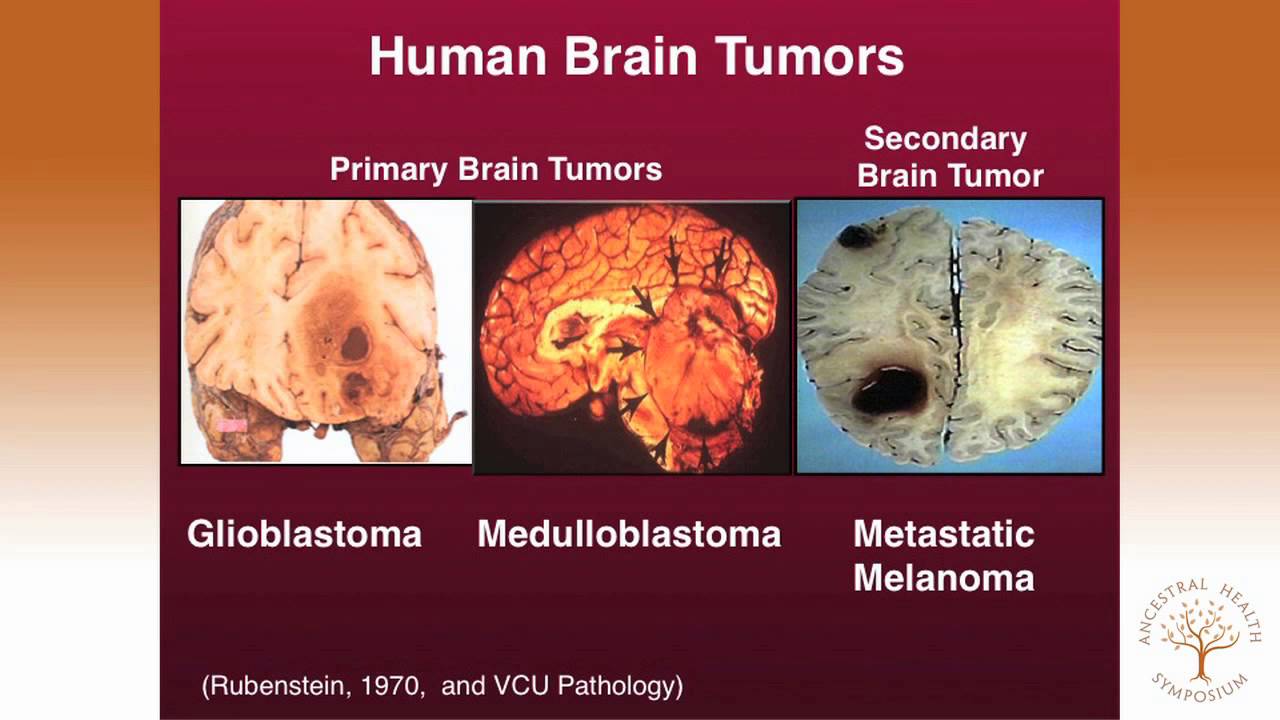
Focusing on brain tumors such as glioblastoma multiforme, Seyfried highlights their highly invasive and vascularized nature with poor prognosis. He notes that standard therapies like radiation and chemotherapy often fail and may worsen outcomes by increasing inflammation and glucose availability, which fuels tumor growth.
He describes how calorie restriction and restricted ketogenic diets (R-KD) reduce blood glucose and elevate ketone bodies, which normal brain cells can use but tumor cells cannot. This metabolic environment creates stress on tumor cells, reducing their growth, invasiveness, and angiogenesis, while promoting apoptosis (programmed cell death).
Mouse model studies show significant tumor size reduction and decreased invasion under calorie restriction. Seyfried also discusses how combining R-KD with glycolysis inhibitors such as 2-deoxyglucose produces synergistic anti-tumor effects by further restricting cancer cell energy supply.
Clinical Implications and Challenges
Seyfried presents case studies where ketogenic diets and therapeutic fasting have led to tumor regression or stabilization in human brain cancer patients, including children. However, he acknowledges that these metabolic therapies are not yet widely adopted clinically due to regulatory hurdles and the dominance of standard care protocols.
He critiques the current standard of care—radiation and temozolomide chemotherapy—for increasing inflammation and glucose levels, which may accelerate tumor progression and patient demise. Seyfried calls for a paradigm shift toward metabolic therapies that exploit cancer’s energy vulnerabilities.
Despite promising preclinical and early clinical data, Seyfried notes difficulties in initiating clinical trials due to institutional review board (IRB) resistance, even though these therapies are non-toxic. He collaborates with physicians to develop pilot studies aiming to validate metabolic approaches in brain cancer treatment.
Source Information
This content is derived from a 2013 video lecture by Thomas Seyfried, PhD, titled "Targeting Energy Metabolism in Brain Cancer," presented at the Ancestral Health Symposium. Seyfried is a Professor of Biology at Boston College with research focused on metabolic therapies for neurological diseases and cancer. The video is hosted on YouTube and includes a detailed transcript of the talk.
The information reflects Seyfried’s perspective and research findings, emphasizing metabolic dysfunction as a driver of cancer and proposing dietary and pharmacologic interventions targeting tumor metabolism. The video includes discussion of experimental mouse models, clinical case reports, and critiques of conventional cancer treatments. Limitations include the preliminary nature of clinical evidence and ongoing challenges in translating metabolic therapies into standard clinical practice.