-

YouTube
Video
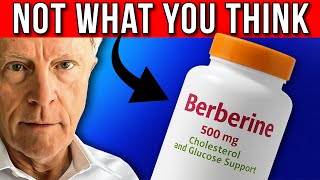
BERBERINE | Important New Data Revealed
BERBERINE | Important New Data Revealed
Description
Overview
This video presents an evidence-focused discussion on new scientific findings about berberine and its interaction with NAD+ metabolism. Berberine is widely used for blood sugar control and metabolic health, while NAD+ boosters such as NMN and NR are popular for anti-aging benefits. The video highlights a paradox where berberine simultaneously increases NAD+ production but disrupts the NAD+/NADH ratio by inhibiting mitochondrial complex one, potentially reducing cellular energy efficiency.
Key points include:
- Berberine boosts enzymes that increase NAD+ synthesis, as shown in a 2021 study.
- A 2022 study found berberine raises the NADH to NAD+ ratio, which can impair cellular energy use.
- This dual effect is likened to pressing both the gas and brake pedals simultaneously, causing confusion about berberine’s net impact.
- Taking NAD+ boosters (NMN or NR) concurrently with berberine may reduce their effectiveness.
- A proposed solution is strategic timing: take NAD+ boosters in the morning to align with natural NAD+ rhythms and berberine in the evening to maximize blood sugar control while minimizing overlap.
- Berberine’s short half-life (~3 hours) supports this timing approach, though direct studies on this strategy are not yet available.
- The presenter theorizes that adults over 50, who experience age-related NAD+ decline, might especially benefit from combining NAD+ boosters with berberine thoughtfully.
This nuanced analysis is based on the presenter’s two decades of longevity research and aims to clarify conflicting information about berberine’s effects.
Source Information
Video title: BERBERINE | Important New Data Revealed
Platform: YouTube / Physionic
URL: https://www.youtube.com/watch?v=AXvJvFKqZ_g
Linked topic: Protocols: Berberine
The video references peer-reviewed studies published in Aging (2021) and Toxicology Letters (2022) to support its discussion. It includes a full transcript and is intended as a critical overview of current berberine research rather than a cancer treatment endorsement.