Overview and Purpose
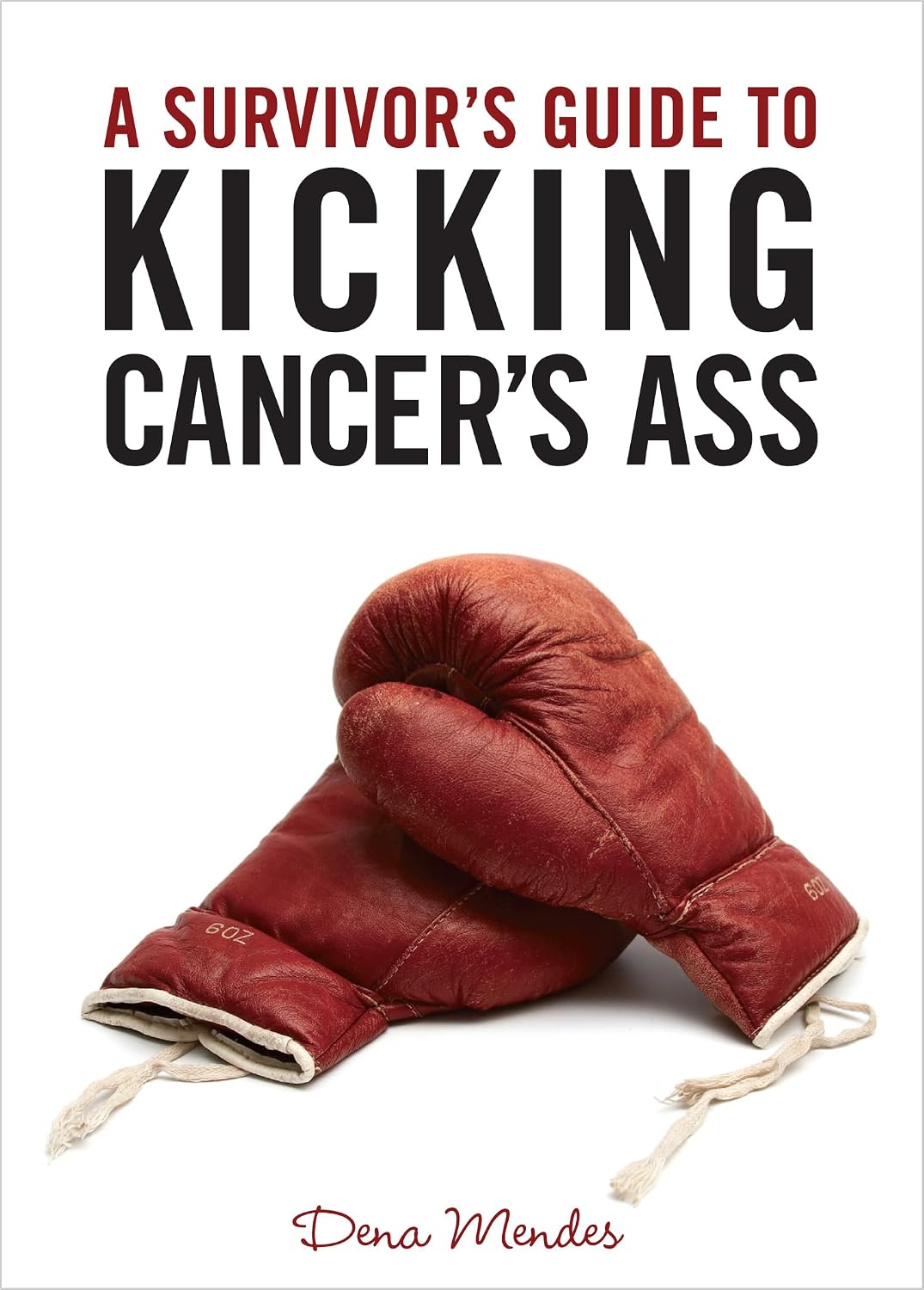
A Survivor's Guide to Kicking Cancer's Ass by Dena Mendes is a comprehensive, integrative resource aimed at empowering cancer patients and survivors to actively participate in their healing journey. Drawing from her personal experience with breast cancer and metastases, as well as her husband’s battle with bile-duct cancer, Mendes combines conventional medical insights with natural therapies, emotional healing, nutrition, and self-advocacy. The book is designed to guide readers through the complexities of diagnosis, treatment, and recovery while emphasizing holistic wellness and personal transformation.
The book’s scope extends beyond clinical protocols to include emotional, spiritual, and lifestyle dimensions of cancer healing. It is intended for cancer patients, survivors, caregivers, and health professionals interested in integrative oncology approaches. Mendes advocates for a balanced, individualized approach that respects conventional medicine but also embraces complementary modalities and patient empowerment.
Introduction: The Rabbit Hole
The author opens by sharing her personal cancer journey, highlighting early health challenges and childhood trauma that shaped her interest in natural healing. Mendes recounts her husband’s successful fight against bile-duct cancer using a combination of medical and natural therapies, followed by her own diagnosis of HER2/neu positive breast cancer with multiple metastases.
Mendes candidly describes frustrations with the medical system, including delayed communication, cold interactions, and inappropriate chemotherapy regimens. She stresses the importance of combining traditional medicine with nutrition, emotional healing, and self-advocacy to achieve optimal outcomes. Cancer is framed not only as a disease but as a catalyst for profound personal growth and empowerment.
Chapter 1: Diagnosis – When the Shit Hits the Fan
This chapter addresses the initial shock and disorientation following a cancer diagnosis, metaphorically described as “falling down the rabbit hole.” Mendes encourages patients to take time to process the news, ask questions, and seek second opinions. She underscores the critical importance of finding a compassionate, communicative, and integrative-minded doctor.
Self-advocacy is a central theme: patients are urged to keep detailed notes, demand clear communication, and avoid adopting a victim mentality. Mendes reframes cancer as “the cancer” to be overcome rather than “my cancer,” promoting empowerment. Building a supportive network of family, friends, and others who uplift rather than pity is vital. Mindfulness, meditation, and a positive attitude are recommended to maintain strength.
The chapter also introduces the concept that cancer signals underlying physical and emotional imbalances, requiring a whole-person healing approach that integrates body, mind, and spirit.
Chapter 2: The Nuts and Bolts of Treatments, Protocols, and Procedures
Mendes demystifies the complex medical procedures and terminology involved in cancer diagnosis and treatment. She advises caution with imaging tests due to radiation exposure and recommends protective measures such as thyroid guards and aprons. The author emphasizes trusting intuition and developing body awareness to monitor changes.
Drawing from her own experience with metastases to bones, lungs, and brain, Mendes advocates for assertive patient involvement, including requesting timely biopsy results and frozen-section biopsies during surgery to ensure clean margins. She warns of potential risks such as cancer cell spread from needle biopsies or lumpectomies and suggests immediate mastectomy if margins are unclear.
Post-surgical care includes lymph drainage, massage, acupuncture, and gentle exercise (tai chi, yoga, swimming) to promote circulation and prevent complications like lymphedema and frozen shoulder. Mendes shares her chemotherapy experience, noting the harshness and ineffectiveness of some regimens, and highlights the value of natural therapies to support liver and kidney function during treatment.
She discusses the use of PICC lines and subcutaneous ports for easier venous access, radiation therapy side effects and natural remedies, and her choice of mastectomy with symbolic rituals to foster healing. The chapter concludes with reflections on metastases treatment, chemo resistance, and the importance of immune system strengthening through diverse modalities.
Chapter 3: The Great and Powerful Oz – Elixirs, Gurus, Guides, and Modalities
This chapter explores complementary and alternative medicine as adjuncts to conventional cancer care. Mendes emphasizes personalization and intuition in selecting healing practices. Nutrition is highlighted as critical, with malnutrition identified as a major cause of cancer mortality. The author’s “Cancer Tool Kit” includes digestive enzymes, probiotics, and immune-supportive supplements.
Mendes distinguishes between “gurus” (spiritual teachers) and “guides” (practitioners offering modalities), advocating for warm, knowledgeable, and humble natural doctors. She encourages patients to become their own gurus through meditation, visualization, and self-healing. The chapter provides an overview of various healing modalities such as Ayurveda, bioacoustics, colon hydrotherapy, craniosacral therapy, energy psychology, infrared sauna, and Jin Shin Jyutsu.
The author shares personal stories illustrating the power of intuition and alternative healing, including a dream that signaled metastasis and a visit to a Brazilian healer. The chapter encourages gradual lifestyle changes and movement to avoid stagnation and support holistic healing.
Chapter 4: Detox Time – Cleaning Inside and Out
Detoxification is presented as a foundational component of healing, encompassing both physical and emotional cleansing. Mendes references Traditional Chinese Medicine’s seasonal organ-emotion correlations, recommending liver detoxification in spring. Detox methods include eliminating toxins such as sugar, gluten, dairy, alcohol, and chemicals, consuming organic foods, and using cleansing shakes and herbs.
The author stresses professional supervision during detox, especially for cancer patients, and cautions against detox during active chemotherapy or severe weakness. Recommended detox protocols include Metagenics Cleanse, bentonite clay, vitamin infusions, herbal detoxes, salt baths, and enemas (including coffee enemas for liver support).
Emotional detox techniques such as meditation, forgiveness rituals, writing and burning negative emotions, and Native American “tree giveaway” ceremonies are also described. Detoxification is linked to clearer thinking, increased energy, and a sense of rebirth.
Chapter 5: Let Food Be Thy Medicine
Following detox, Mendes advocates for dietary changes that support healing and immune function. She critiques the American diet’s reliance on processed, GMO, and chemically engineered foods and emphasizes fresh, whole, organic grains, legumes, vegetables, fruits, and limited high-quality animal protein.
The chapter provides detailed “Do’s and Don’ts” for cancer patients:
- Don’ts: Avoid sugar and substitutes, processed grains and gluten, dairy, alcohol, caffeine, microwave ovens, mucus-forming foods, and poor-quality animal fats.
- Do’s: Eat seasonally and locally grown whole foods, incorporate non-inflammatory grains and vegetables (especially dark leafy greens and sea vegetables), and consume small amounts of high-quality protein such as wild-caught fish and organic eggs.
Mendes encourages mindful eating, chewing well, and tuning into the body’s responses to foods. She highlights the importance of support for shopping and cooking nutritious meals and references influential nutrition resources.
Chapter 6: “Recombobulate” – Reinvent, Revamp, Refocus, and Renew
This chapter focuses on life transformation post-cancer diagnosis. Mendes emphasizes cultivating positive energy (“chi”) and mindset as vital to healing. She challenges deterministic genetic views and promotes belief in individual uniqueness and mind-over-matter.
Physical fitness through gentle, steady exercise supports immune function and reduces treatment side effects. Breathing exercises and lymphatic drainage activities like trampoline jumping are recommended. Environmental renewal through decluttering and applying feng shui principles is encouraged to reflect and improve emotional and physical health.
Emotional renewal involves revisiting suppressed dreams, embracing change, and balancing “warrior” energy with surrender and flow. Mendes advocates rewriting negative self-talk with empowering affirmations and advises honoring individual healing paths without comparison.
The chapter introduces the “Inside-Out Method” for emotional healing, which includes admitting emotional issues, forgiveness, stopping blame, acceptance, and connecting with a higher power. Codependency and childhood emotional wounds are discussed as contributors to disease. The holistic interconnectedness of physical, emotional, and energetic health is emphasized.
Chapter 7: Turning Yourself Inside Out
Mendes outlines the emotional stages following a cancer diagnosis: shock, denial, anger, and surrender/acceptance. She describes the cellular impact of shock and the necessity of moving beyond denial. Anger is recognized as a motivational force that must be processed and released.
Surrender and acceptance are framed as challenging but essential for healing. Forgiveness, including the author’s personal journey forgiving her mother, is highlighted as a key to emotional release. Physical surrender involves deep healing work to release trauma.
The chapter stresses embracing life’s drama as part of growth and prioritizing self-care to maintain strength. Ayurveda’s kapha hours (6–10 p.m.) and early sleep are recommended for healing. Learning to say no and speak truth supports emotional and physical health. Long-term survivors often develop skills to validate and express feelings.
Sharing health knowledge and remedies is encouraged to empower others and build community. Confidence in natural remedies grows with experience.
Chapter 8: Looking Forward
The final chapter frames cancer as an awakening and opportunity for gratitude and empowerment. Mendes discusses “aha moments” that reveal the purpose behind the cancer experience, often delayed in realization. Life challenges are seen as lessons to connect with inner light.
Nonattachment and acceptance are encouraged to embrace change. The author shares stories illustrating life’s unpredictability and the importance of focusing on creating health rather than fighting disease. Advances in medical and alternative treatments are acknowledged.
Death is addressed openly as a transformation involving emotional, spiritual, and physical dimensions. Mendes draws on personal near-death experiences and family loss to inform her perspective. Supporting children’s understanding of death with sensitivity is noted.
Living in remission requires ongoing vigilance, maintaining a healing lifestyle, and continued self-advocacy. Surrender is described as an active process involving growth and self-care.
Appendices: Practical Tools and Resources
The appendices provide actionable checklists, remedies, resources, and recommended readings. Key points include:
- Dietary guidelines emphasizing elimination of dairy, gluten, refined sugars, processed foods, and poor fats; preference for healthy fats and alkaline foods.
- Supplement recommendations including vitamins C, D, B complex, antioxidants, probiotics, and specialized products from Metagenics.
- Exercise, breathing, and elimination practices aligned with Ayurvedic principles.
- Natural remedies for surgery recovery, chemotherapy and radiation support, and emotional trauma.
- Lists of trusted practitioners (mostly Chicago area) across specialties such as lymphatic drainage, vitamin infusions, acupuncture, functional medicine, and surgery.
- Recommended books spanning inspirational, healing, nutrition, and cooking categories.
- Helpful websites for cancer support, holistic health, nutrition, and recipes.
Author Background and Credentials
Dena Mendes is a cancer survivor, public health specialist, and founder of the Pink Foundation. She holds a B.A. in communications/public health, a doctorate in naturopathy, and certifications as a health coach, holistic yoga instructor, holistic chef, and pranic healer. Mendes has developed educational programs and is a motivational speaker focused on holistic cancer recovery and wellness.
Strengths and Contributions
- Integrative Approach: The book skillfully blends conventional oncology with natural therapies, emotional healing, nutrition, and lifestyle, offering a well-rounded perspective.
- Patient Empowerment: Emphasis on self-advocacy, intuition, and active participation encourages readers to take control of their healing journey.
- Holistic Healing: Attention to emotional, spiritual, and environmental factors alongside physical treatment reflects a comprehensive understanding of cancer’s complexity.
- Practical Guidance: Detailed recommendations on diet, detox, exercise, supplements, and emotional work provide actionable steps.
- Personal Narrative: Mendes’ candid sharing of her experiences adds authenticity and relatability.
- Resource Rich: Extensive appendices with remedies, practitioners, books, and websites support ongoing learning and community connection.
Limitations and Cautions
- The book includes alternative and complementary therapies that may lack extensive clinical validation; readers should consult qualified healthcare providers before adopting new treatments.
- Some recommended practitioners and resources are localized to the Chicago area, which may limit accessibility for some readers.
- Individual uniqueness is emphasized, but the complexity of emotional healing and lifestyle changes may require professional support beyond the book’s scope.
- The author’s personal experiences, while insightful, may not generalize to all cancer types or patient situations.
Utility for Cancer-Options Reference Database
A Survivor's Guide to Kicking Cancer's Ass offers a valuable integrative perspective for patients and caregivers seeking to complement conventional cancer treatment with natural, emotional, and lifestyle strategies. Its strong focus on patient empowerment, clear communication, and holistic healing aligns well with contemporary integrative oncology principles.
The detailed discussions on nutrition, detoxification, emotional work, and self-advocacy provide practical tools that can enhance quality of life and support survivorship. The book’s candid narrative and resource listings also foster community and ongoing education.
While not a clinical protocol manual, this guide can serve as a supportive companion resource encouraging active patient engagement, informed decision-making, and a balanced approach to cancer care.