Overview and Purpose
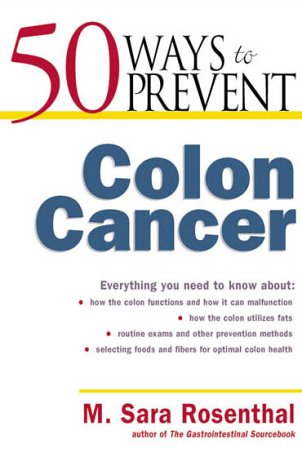
50 Ways to Prevent Colon Cancer by M. Sara Rosenthal is a comprehensive guide aimed at empowering readers with practical knowledge and strategies to reduce the risk of colorectal cancer. Published in 2000, the book addresses the multifactorial nature of colon cancer prevention, emphasizing the importance of early detection through screening, dietary and lifestyle modifications, environmental awareness, and immune system support. The author’s approach is grounded in scientific research and public health recommendations, making the book a valuable resource for individuals seeking to understand and actively participate in their colon health maintenance.
The book is intended for a broad audience including average-risk adults, those with higher risk factors, caregivers, and health-conscious readers interested in cancer prevention. It balances medical information with accessible advice, encouraging readers to take control of modifiable risk factors and to advocate for safer food and environmental practices.
Colon Cancer Context and Screening
Colorectal cancer is identified as the second leading cause of cancer deaths, often developing from benign polyps that can be detected and removed before malignancy occurs. The book underscores the critical role of regular screening in prevention and early diagnosis. Screening recommendations are stratified by age and risk level:
- Average-risk individuals should begin screening at age 45.
- Those with higher risk factors—such as a family history of colorectal cancer, inflammatory bowel diseases (ulcerative colitis or Crohn’s disease), or prior polyps—should start earlier, around age 30.
Screening methods discussed include:
- Visual rectal exams and digital rectal exams for younger individuals.
- Fecal occult blood tests (FOBT) to detect hidden blood in stool.
- Sigmoidoscopy every two years and colonoscopy alternating yearly with sigmoidoscopy for those over 45.
Colonoscopy is highlighted as the most sensitive test, detecting up to 97% of large polyps and cancers, though it is more costly. The book also notes limitations of other tests such as barium enemas, which involve radiation and are less accurate.
Special attention is given to inflammatory bowel diseases (IBD), including ulcerative colitis and Crohn’s disease, which increase colon cancer risk. The book details symptoms of these conditions and stresses the importance of accurate diagnosis through biopsy during colonoscopy or sigmoidoscopy.
Genetic testing for hereditary colon cancer syndromes (HNPCC, FAP) is discussed with caution. While genetic mutations account for a small percentage of cases, testing can cause psychological stress and discrimination concerns. The book advocates for proper genetic counseling, though it acknowledges limited availability.
Dietary Fiber and Bowel Regularity
A major theme is the protective role of dietary fiber in colon cancer prevention. The book explains the two types of fiber:
- Soluble fiber dissolves in water and helps lower LDL cholesterol. Sources include oats, legumes, and fruits.
- Insoluble fiber absorbs water, increases stool bulk, and speeds intestinal transit, reducing cancer risk. Sources include wheat bran, whole grains, and skins of fruits and vegetables.
Recommended fiber intake is 25-35 grams per day, with practical advice on identifying whole grain products (looking for “whole wheat” labels rather than relying on color) and consuming high-fiber fruits and vegetables such as berries, oranges, apples, pears, baked potatoes with skin, and brussels sprouts.
The book emphasizes adequate water intake alongside fiber to prevent constipation, recommending at least two glasses of water with fiber and additional water after meals. It defines normal bowel movements as 1-3 soft, formed stools daily without pain or straining, and describes constipation as infrequent, hard stools often linked to lifestyle factors.
Chronic constipation is noted as a risk factor for hemorrhoids and possibly colon cancer. The author advises avoiding stimulant laxatives due to dependency risks and favors bulk-forming agents like Metamucil. Techniques for retraining bowel habits include morning warm water intake, glycerin suppositories, and gentle abdominal pressure over several months.
Fat Intake and Colon Cancer Risk
The book provides a detailed analysis of dietary fats and their impact on colon cancer risk. It categorizes fats into saturated, monounsaturated, and polyunsaturated fatty acids, explaining their sources and physiological effects:
- Saturated fats (found in fatty meats, butter, lard, tropical oils) raise cholesterol and are linked to increased cancer risk.
- Trans fats (factory-made hydrogenated oils such as some margarines) behave like saturated fats and are harmful to cardiovascular and colon health.
- Unsaturated fats (monounsaturated and polyunsaturated fats) are beneficial and may protect against some cancers and heart disease.
The book advises reducing saturated and trans fat intake while increasing unsaturated fats and fiber. It also warns about fat substitutes like olestra, which may cause digestive issues and nutrient depletion.
Additional practical tips include:
- Skimming fat from soups and stews.
- Using yogurt, low-fat cottage cheese, or olive oil instead of butter.
- Broiling, grilling, or boiling meats and trimming visible fat.
- Reading food labels carefully to identify fat and sugar content.
- Choosing semi-vegetarian or vegetarian diets to reduce fat intake and increase fruit and vegetable consumption.
Carbohydrates, Sugars, and Food Label Literacy
The book discusses the role of carbohydrates and sugars in colon cancer risk, noting that excess carbohydrates convert to glucose and can be stored as fat if unused. It recommends a balanced diet with 50-55% carbohydrates, 15-20% protein, and less than 30% fat.
Natural sugars (sucrose, fructose, lactose, maltose) and added sugars (corn syrup, honey, molasses, high-fructose corn syrup) are explained, with advice to check nutritional labels for total carbohydrate content. The author stresses the importance of learning to interpret food labels, including understanding terms like “low fat,” “sugar free,” and “95% fat free,” which have specific regulatory definitions.
Physical Activity and Exercise
Physical inactivity is identified as a significant modifiable risk factor for colon cancer. The book broadens the concept of exercise to include bodily, mental, and spiritual activities, such as meditation, traditional dances, and active prayers, which contribute to overall well-being.
Aerobic exercise is defined as activity that raises heart rate and oxygen intake, with target heart rate formulas provided. Benefits include improved oxygen flow, fat burning, cholesterol balance, and cancer risk reduction.
The author introduces Borg’s Rate of Perceived Exertion (RPE) scale to help readers gauge exercise intensity subjectively, recommending exercise intensity that allows comfortable conversation.
Additional strategies to increase oxygen flow include deep diaphragmatic breathing, which also aids digestion and bowel regularity.
The book encourages “active living” by incorporating daily physical activities such as walking, taking stairs, and parking farther away to reduce sedentary behavior. Weight-bearing exercises are recommended to build bone mass and muscle strength, with cautions against hazardous exercises for individuals with certain health conditions.
For sedentary individuals, the book advises starting slowly with light activities and suggests exercising with a partner to improve adherence. Stretching before and after exercise is recommended to reduce muscle tightness and support abdominal muscles, which can relieve constipation.
Phytochemicals, Vitamins, and Immune Support
The book highlights the cancer-protective properties of phytochemicals found in fruits and vegetables, especially cruciferous vegetables. Functional foods containing biologically active compounds are encouraged to promote health.
Vitamins A, C, E, D, selenium, calcium, and folic acid are discussed for their potential protective effects against colon and other cancers. Vitamin D synthesis through sunlight exposure and calcium’s role in binding bile acids linked to tumors are noted.
Sources of vitamins and minerals are provided, including liver, egg yolks, leafy greens, orange/yellow vegetables, and meats for vitamin B complex.
Environmental Contaminants and Consumer Advocacy
A distinctive feature of the book is its focus on environmental carcinogens in food and packaging as significant but often overlooked contributors to colon cancer risk. The author argues that these contaminants should be considered environmental pollutants rather than mere dietary factors.
Key points include:
- Common presence of pesticide residues, organochlorines, hormones, antibiotics, and chemical dyes in store-bought produce, meat, and packaged foods.
- Challenges in reducing airborne contaminants but feasibility of controlling ingestion through food choices.
- Promotion of organic eating and demand for transparency about agricultural chemicals and packaging materials.
- Consumer vigilance and activism—such as complaints, boycotts, lobbying, and demanding labeling—are essential to drive safer food industry practices.
The book provides practical consumer actions, including contacting the USDA information line for data on meat feed and produce chemicals, sourcing organic produce, and engaging in advocacy efforts.
Summary of Prevention Strategies
The book organizes its 50 prevention tips into five broad categories:
- Regular Screening (Tips 1-10): Early detection and removal of polyps to prevent cancer development.
- Fiber and Bowel Regularity (Tips 11-20): Increasing fiber intake and maintaining healthy bowel habits.
- Fat Reduction (Tips 21-30): Cutting down on saturated and trans fats while choosing healthier fats.
- Exercise (Tips 31-40): Incorporating physical activity and improving oxygen flow.
- Immune System Support (Tips 41-50): Utilizing phytochemicals, vitamins, and lifestyle factors to boost immunity.
The epilogue encourages readers to share this knowledge widely to promote prevention and improved health outcomes.
Glossary and Reference Support
The book includes a glossary with clear, context-specific definitions of key terms related to colon cancer, nutrition, and prevention. Terms such as antioxidants, fiber types, fat categories, inflammatory bowel diseases, and exercise concepts are explained to aid reader understanding.
An extensive bibliography supports the content with scientific studies, government publications, and health organization guidelines, enhancing the book’s credibility.
Strengths and Limitations
Strengths:
- Comprehensive, multifaceted approach covering medical, nutritional, lifestyle, and environmental factors.
- Clear, practical advice suitable for lay readers and caregivers.
- Emphasis on consumer empowerment and advocacy for safer food practices.
- Integration of immune support and mental/spiritual well-being into cancer prevention.
- Detailed explanations of screening protocols and risk factors.
Limitations and Cautions:
- Some recommendations, such as genetic testing and environmental toxin avoidance, may be challenging due to limited access or incomplete control over exposures.
- Information is based on data available up to 2000; readers should consult current guidelines for screening and nutrition.
- The glossary is not exhaustive and focuses on terms relevant to the book’s scope.
Utility for Cancer-Options Reference Database
This book serves as a valuable resource for individuals seeking evidence-based, practical strategies to prevent colon cancer through lifestyle and environmental modifications. Its detailed coverage of screening, diet, exercise, and toxin avoidance complements clinical guidance and supports patient education. The inclusion of consumer advocacy empowers readers to engage with broader public health issues affecting cancer risk.
Healthcare providers, educators, and caregivers may find the book useful for framing discussions about colon cancer prevention and for recommending actionable steps tailored to individual risk profiles. The book’s holistic approach aligns well with integrative cancer prevention models emphasizing patient empowerment and environmental health.