
2007
Book
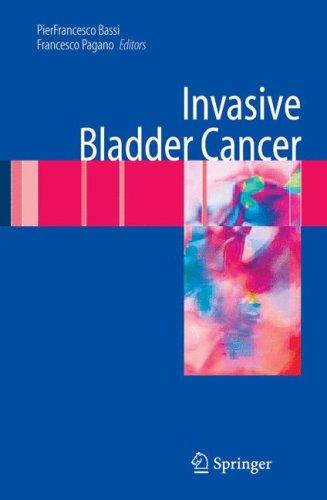
Invasive bladder cancer
PublisherSpringer
Pub Year2007
Page Count311
ISBN978-1447171287
Amazon
Description
Overview and Scope
Invasive Bladder Cancer, authored by Francesco Pagano and Dr. Yuman Fong and published in 2007, is a comprehensive reference text that addresses the epidemiology, diagnosis, molecular biology, staging, treatment, and outcomes of muscle-invasive bladder cancer (MIBC). The book is designed for clinicians, researchers, and oncology specialists seeking an in-depth understanding of bladder cancer’s complex biology and multidisciplinary management. It synthesizes epidemiological data, diagnostic advances, surgical and non-surgical treatment modalities, and emerging molecular insights to guide evidence-based clinical decision-making.
Epidemiology and Prevention
The book begins by detailing the epidemiology of bladder cancer, emphasizing its higher incidence in men compared to women, largely due to tobacco smoking and occupational exposures to aromatic amines. Transitional cell carcinoma (TCC) predominates, especially in Western populations. Carcinogenesis is linked to direct contact of carcinogens excreted in urine with the bladder epithelium, with chronic inflammation from infections or stones also contributing. Geographically, Europe, North America, Northern Africa, and Western Asia show the highest incidence rates.
Risk factors are extensively reviewed, highlighting tobacco smoking as the major preventable cause, increasing risk 2–5 fold. Occupational exposures in industries such as dyestuff, rubber, and leather are significant. Other factors include fluid intake, drinking water contaminants, coffee consumption, urinary tract infections (notably Schistosoma haematobium), certain drugs, family history, and genetic polymorphisms affecting carcinogen metabolism. Prevention strategies focus on smoking cessation, occupational safety, and infection control, though dietary recommendations remain inconclusive.
Early Diagnosis and Screening
Early detection is critical, as muscle-invasive disease carries a high risk of metastasis and mortality. The book discusses screening principles, emphasizing targeting high-risk populations based on age, gender, race, smoking status, and occupational exposures. Screening tests include detection of hematuria via reagent strips and microscopic examination, with positive findings requiring cystoscopy and imaging for confirmation. Molecular markers are under investigation but not yet standard. The brief preclinical phase of bladder cancer limits the window for effective screening, underscoring the need for sensitive and specific tests.
Non-Invasive Diagnosis
Non-invasive urine-based tests are reviewed in detail. Urine cytology remains the gold standard for detecting high-grade tumors and carcinoma in situ, with high specificity but limited sensitivity for low-grade tumors. Commercial assays such as bladder tumor antigen (BTA) tests, nuclear matrix protein 22 (NMP-22), fibrin degradation products (FDPs), and telomerase activity assays offer improved sensitivity but often at the cost of specificity. Molecular techniques including PCR-based detection of genetic alterations show promise but require further validation. The text highlights the limitations of current tests and the potential benefit of combining modalities for surveillance rather than general population screening.
Molecular Pathology of Tumor Progression and Metastasis
The molecular biology section elucidates the multistep process of bladder cancer progression, from immortalization via telomerase reactivation to dysregulated proliferation, apoptosis resistance, angiogenesis, decreased cell adhesion, invasion, and metastasis. Key molecular players include p53, Rb, p21, bcl-2 family proteins, VEGF, matrix metalloproteinases (MMPs), and adhesion molecules such as E-cadherin. These markers have prognostic significance and represent potential therapeutic targets. The complex interplay of proteases and inhibitors governs tumor invasion, while specific carbohydrate ligands may influence metastatic patterns. The chapter underscores the evolving understanding of molecular pathways that may refine prognosis and treatment.
Staging and Imaging
Accurate staging is essential for prognosis and treatment planning. The book reviews the TNM classification system, including the 1997 revisions subdividing muscle-invasive tumors for better prognostic stratification. Limitations of clinical staging are acknowledged, with transurethral resection (TUR) being the cornerstone for diagnosis and staging despite potential understaging. Imaging modalities such as ultrasound, CT, and particularly magnetic resonance imaging (MRI) are discussed. MRI is highlighted as the most accurate modality for assessing muscle invasion, perivesical extension, lymph node involvement, and distant metastases, with dynamic contrast-enhanced sequences improving tumor delineation. The text advocates MRI for staging muscle-invasive tumors and monitoring therapy response, emphasizing multidisciplinary collaboration.
Prognostic Factors
Prognosis depends primarily on tumor stage and grade, with nodal involvement portending worse outcomes. Molecular markers including p53, Rb, Ki-67, and angiogenesis-related factors add prognostic information but have not yet supplanted classical parameters. Loss of adhesion molecules and overexpression of growth factor receptors correlate with aggressive disease. Host factors such as age, gender, and genetic predisposition influence incidence and outcomes. Environmental factors like smoking worsen prognosis. The chapter integrates classical and emerging prognostic indicators to inform risk stratification.
Surgical Management
Surgery remains the mainstay for muscle-invasive bladder cancer. Radical cystectomy with pelvic lymphadenectomy is the standard, offering 5-year survival rates of 60–70% for organ-confined disease. Partial cystectomy is reserved for highly selected cases with solitary tumors and adequate margins but carries higher local recurrence risk. The surgical technique, complications, and outcomes are detailed. Transurethral resection (TUR) as monotherapy for muscle-invasive disease is controversial but may be appropriate in select patients with complete tumor resection and negative biopsies, allowing bladder preservation with careful surveillance. The importance of tumor bed biopsy status as a prognostic factor is emphasized.
Lymph Node Involvement
Lymph node metastasis is a critical prognostic factor. The book describes the regional lymphatic drainage and the importance of extended pelvic lymph node dissection (PLND) for accurate staging and potential survival benefit. The number of nodes removed correlates with staging accuracy. Survival varies with nodal burden, with single-node involvement associated with better outcomes than multiple nodes. PLND is safe with low morbidity when performed by experienced surgeons. Adjuvant chemotherapy may be considered for node-positive disease, though definitive evidence is lacking.
Radiation Therapy
Radiation therapy (RT) is an alternative to surgery, particularly for patients unfit for cystectomy or desiring bladder preservation. Definitive RT achieves local control and bladder preservation in selected patients but generally yields lower survival than surgery. Pre-operative RT has not demonstrated survival benefit. Concurrent chemoradiation improves local control and bladder preservation rates compared to RT alone. Patient selection is crucial, with contraindications including large tumors, poor bladder function, and carcinoma in situ. RT toxicity and local recurrence remain challenges, especially in elderly or frail patients.
Neo-Adjuvant and Adjuvant Chemotherapy
Systemic chemotherapy aims to eradicate micrometastases and improve survival. Neo-adjuvant cisplatin-based chemotherapy before cystectomy or RT shows modest survival benefits (~5%) and can downstage tumors, increasing the chance of bladder preservation. Complete responders have significantly better outcomes. Adjuvant chemotherapy post-cystectomy is less well established due to limited randomized data but may benefit high-risk patients with extravesical extension or nodal metastases. Treatment decisions should be individualized, balancing potential benefits against toxicity.
Function-Sparing Surgery and Combination Therapy
Function-sparing approaches, including partial cystectomy, radical TUR, and multimodal therapy combining chemotherapy and radiation, aim to preserve bladder function without compromising oncological outcomes. These approaches require careful patient selection, excluding those with hydronephrosis, bladder neck involvement, or advanced stage. Studies demonstrate comparable survival and bladder preservation rates in selected patients. Challenges include accurate staging, risk of recurrence, and the morbidity of salvage cystectomy if initial treatment fails. The book highlights the importance of multidisciplinary management and ongoing research to refine these protocols.
Chemotherapy for Metastatic Disease
Metastatic bladder cancer has a poor prognosis, with median survival under 15 months despite chemotherapy. Cisplatin-based combination regimens such as M-VAC remain the gold standard, offering response rates up to 72%. Newer agents like gemcitabine and taxanes provide similar efficacy with improved tolerability. Dose intensification with growth factors allows higher chemotherapy doses but has not clearly improved survival. Molecular markers may help predict response and guide therapy. Despite advances, long-term survival is rare, underscoring the need for novel therapies and clinical trials.
Bladder Cancer in the Elderly
The book addresses the unique challenges of managing invasive bladder cancer in elderly patients, who constitute a growing demographic. Age-related declines in renal, cardiovascular, pulmonary, and immune function impact treatment tolerance and outcomes. Surgery remains the best curative option but requires careful preoperative assessment and optimization. Radiation and chemotherapy have limited efficacy and higher toxicity in this population. Age alone should not preclude aggressive treatment; individualized approaches considering physiological reserve and quality of life are essential.
Quality of Life Considerations
Quality of life (QL) is a critical outcome, influenced by treatment modality, urinary diversion type, sexual function, and psychological factors. Validated instruments assess multidimensional QL domains. Post-cystectomy patients commonly experience sexual dysfunction, urinary leakage, and body image concerns. Orthotopic neobladders may offer better QL in some domains compared to ileal conduits or continent reservoirs. Radiotherapy patients report better sexual function but similar overall QL. Patient education and involvement in treatment decisions are emphasized to align therapy with patient preferences.
Urethral Involvement and Reconstruction
Urethral recurrence occurs in approximately 10% of cystectomy patients, with risk factors including bladder neck and prostatic urethral involvement. Prophylactic urethrectomy is controversial due to morbidity and impact on sexual function. Careful preoperative and intraoperative assessment, including urethral biopsies and frozen sections, guides urethral preservation decisions, especially in candidates for orthotopic neobladder reconstruction.
Urinary diversion options are discussed extensively, including ileal conduits, continent cutaneous reservoirs, and orthotopic bladder replacements. Patient factors such as age, renal function, prior radiation, and tumor characteristics influence diversion choice. Surgical expertise and patient counseling are critical. Complications such as stoma problems, urinary leaks, and metabolic disturbances are reviewed, with strategies for prevention and management.
Salvage Cystectomy
Salvage cystectomy is indicated for patients with persistent or recurrent invasive bladder cancer after definitive chemotherapy and/or radiation therapy. The procedure is technically demanding due to fibrosis and altered anatomy from prior treatments. Historical morbidity and mortality were high, but contemporary series from experienced centers report acceptable outcomes with operative mortality under 7% and manageable complications.
Survival after salvage cystectomy depends primarily on tumor stage and response to prior therapy, with better outcomes in patients downstaged by chemotherapy. Surgical techniques emphasize sharp dissection, early ureteral ligation, and preservation of well-perfused tissues. Urinary diversion options include ileal conduits and, in selected cases, orthotopic neobladders or continent reservoirs. Salvage cystectomy remains a vital option within multimodal bladder preservation protocols and should be performed in specialized centers with multidisciplinary expertise.
Strengths and Limitations
This book’s major strength lies in its comprehensive, multidisciplinary approach, integrating epidemiology, molecular biology, diagnostics, and a full spectrum of treatment modalities. It provides detailed discussions of surgical techniques, chemotherapy regimens, radiation therapy, and emerging molecular markers, supported by extensive references. The inclusion of quality of life and elderly patient considerations adds valuable clinical context.
Limitations include the evolving nature of molecular diagnostics and targeted therapies, which may have advanced since the 2007 publication. Some treatment recommendations reflect data available at the time and may require updating with recent clinical trial results. The book focuses primarily on Western populations and transitional cell carcinoma, with less emphasis on variant histologies or global disparities.
Utility for Cancer-Options Reference Database
This text serves as an authoritative resource for clinicians and researchers seeking detailed, evidence-based information on invasive bladder cancer. Its thorough coverage of risk factors, diagnostic modalities, staging, and multimodal treatment strategies supports informed clinical decision-making. The molecular pathology sections provide insight into prognostic markers and potential therapeutic targets. The discussions on bladder preservation, salvage surgery, and quality of life facilitate patient-centered care planning. Overall, the book enriches the database with a balanced synthesis of clinical and biological knowledge pertinent to invasive bladder cancer management.